Catapult your cooking to therapeutic levels!
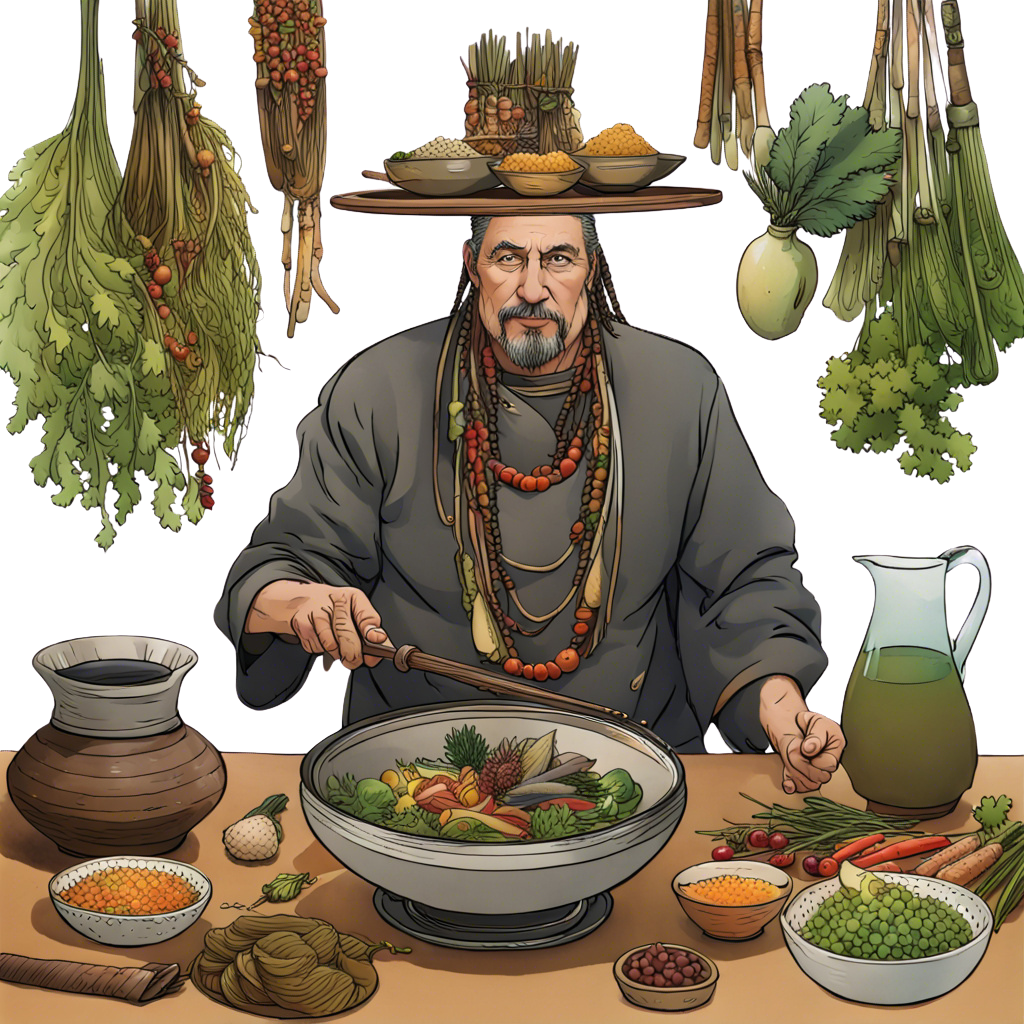
The concept of “culinary shamanism” emerges as a transformative approach to food.
A culinary shaman is a nutritional healer who blends cooking the wisdom of medicinal plants and holistic health. The aim is to create dishes that are not only delicious but also therapeutic.
A previous post, “How To Ultimately Thrive Devouring Naturally Medicinal Meals“, recognizes food as a tool for healing and transformation.
Meal plans using food from the healthiest cuisines should be among our prime considerations. The concept goes well beyond the three cuisines highlighted below.
Based on their nutrient profiles and health outcomes, Mediterranean, Japanese, and Korean cuisines are considered the top three healthiest.
Mediterranean Cuisine:
Known for olive oil, vegetables, fish, and whole grains. Supports heart health and longevity with studies linking it to reduced risks of heart disease and cancer. (Healthline: Top 10 Healthiest Cuisines).
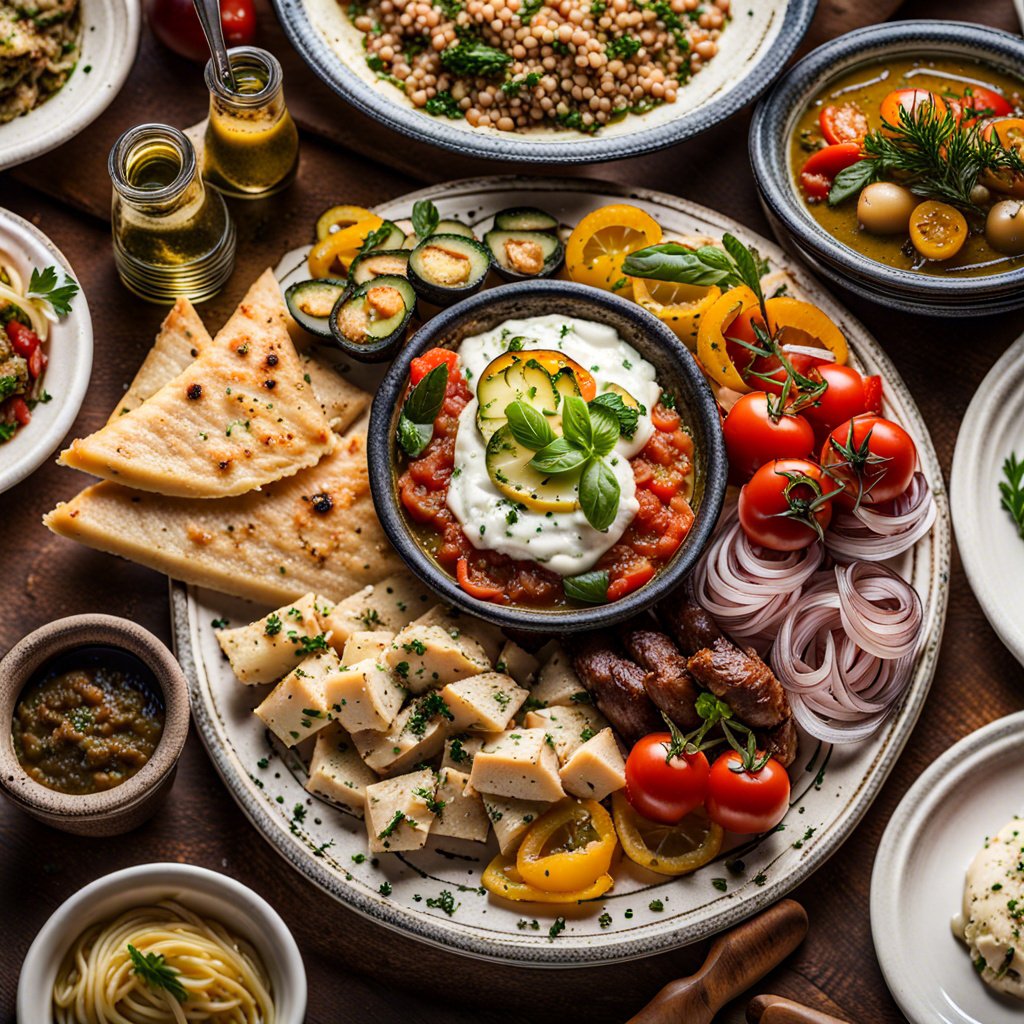
Often exemplified by Greek and Italian variants, this cuisine is celebrated for its balance of nutrient-rich foods.
It is rich in olive oil, a source of monounsaturated fats that support heart health. Includes ample vegetables, fruits, whole grains, and legumes, providing essential vitamins, minerals, and fiber.
Fish, particularly fatty fish like salmon and sardines, are staples, offering omega-3 fatty acids. These reduce inflammation and support cardiovascular health.
Moderate consumption of dairy, poultry, and red wine (in moderation) further contributes to its health benefits.
The use of herbs and spices like oregano, rosemary, and garlic adds flavor. This reduces reliance on salt, aligning with heart-healthy guidelines.
Research has linked the Mediterranean diet to a significant decline in cardiovascular diseases, type 2 diabetes, and cancer. (Why and How the Indo-Mediterranean Diet May Be Superior).
Japanese Cuisine:
Rich in seafood, fermented foods, and green tea. Associated with Japan’s high life expectancy and low obesity rates, thanks to omega-3s and probiotics. (Wander Healthy: Healthiest Cuisine).
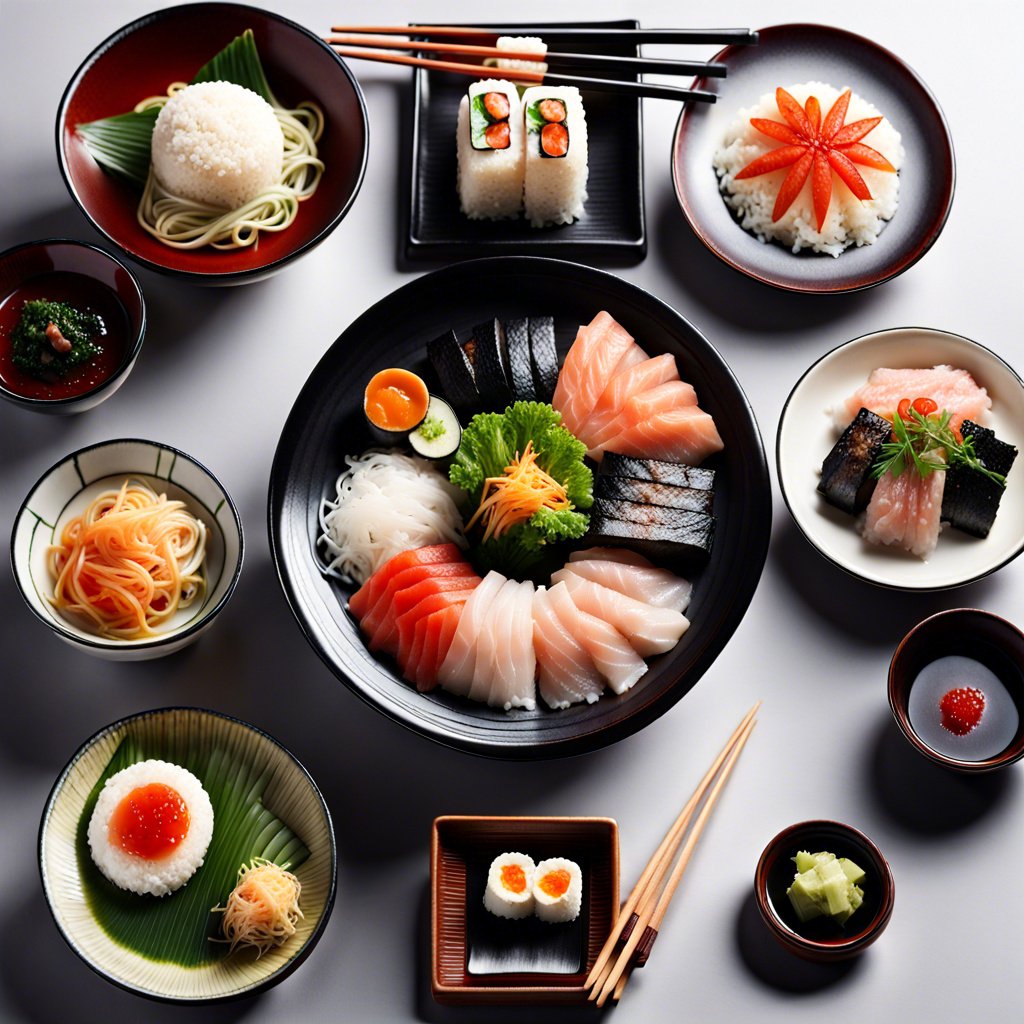
Renowned for its emphasis on fresh, seasonal ingredients and balanced meals. Associated with Japan’s high life expectancy (averaging 84 years) and low obesity rates (3% compared to 32% in the U.S.).
Seafood, especially fish, is a cornerstone, providing omega-3 fatty acids that promote heart and brain health.
Fermented foods like miso, natto, and soy sauce are probiotic. These support gut health and potentially reducing the risk of gastrointestinal disorders.
The diet includes ample vegetables, seaweed (rich in minerals like iodine and calcium), and rice, often consumed in moderation.
Green tea, a common beverage, is packed with antioxidants, such as catechins. These combat oxidative stress and may reduce cancer risk (Japanese Taste: Why Is Japan So Healthy?).
The traditional Japanese diet, known as “Washoku,” emphasizes balance, with smaller portions and a focus on plant-based foods, contributing to its health benefits.
Korean Cuisine:
Features kimchi and vegetables, offering probiotics and anti-inflammatory spices. Potentially boosting gut and immune health. (HDFC Ergo: World’s 10 Healthiest Cuisines).
Vibrant and nutrient-dense, Korean food is characterized by its strong emphasis on fermentation. Particularly through dishes like kimchi, a staple fermented vegetable dish rich in probiotics, vitamins, and antioxidants.
This supports gut health and immunity, potentially reducing the risk of digestive disorders and enhancing overall well-being.
The cuisine includes a variety of vegetables, often pickled or fermented, ensuring a high intake of fiber and micronutrients.
Lean proteins like fish and chicken are common. Spices such as garlic, ginger, and chili peppers provide anti-inflammatory and antimicrobial benefits. These potentially aid in immune function and reducing inflammation-related conditions.
Rice and noodles are balanced with vegetable-heavy side dishes, making the diet both satisfying and healthful.
Studies highlight Korean traditional foods, such as kimchi and doenjang, for their antiviral and respiratory disease prevention properties. This emphasizes their role in modulating gut-lung immunity (Korean Traditional Foods as Antiviral and Respiratory Disease Prevention).
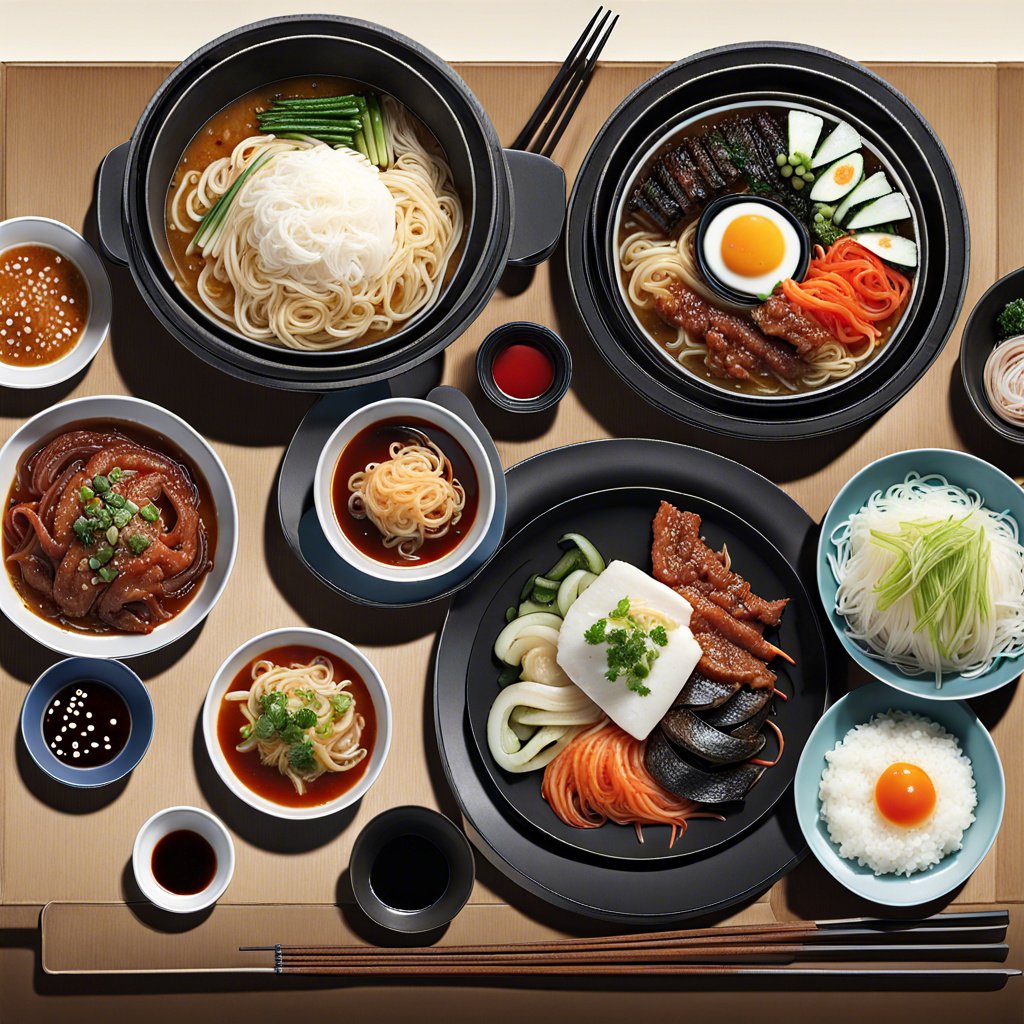
These cuisines are praised for their alignment with nutritional science. Studies show protective effects against cardiovascular diseases for both Mediterranean and Japanese diets. (Why and How the Indo-Mediterranean Diet May Be Superior).
Individual health benefits will likely vary based on preparation methods, portion sizes, and personal health conditions.
Enhancing These Cuisines With Culinary Shamanism: Transforming Healthy To Medicinal
Culinary shamanism offers a pathway to elevate these and other cuisines from healthy to medicinal.
Culinary shamans draw from ancient wisdom and scientific insights to “spice up” recipes by incorporating ingredients known for therapeutic properties.
Here’s how each cuisine can be transformed:
Mediterranean Cuisine:
Incorporate Medicinal Herbs:
While Mediterranean cuisine already uses herbs like oregano, rosemary, and thyme, a culinary shaman could introduce turmeric for its potent anti-inflammatory properties, linked to reduced risk of chronic diseases, or adaptogens like ashwagandha to support stress reduction and hormonal balance.
- Add superfoods: Ingredients like chia seeds, rich in omega-3s and fiber, or goji berries, packed with antioxidants, can boost the nutritional profile of dishes. For example, adding chia seeds to yogurt or salads can enhance omega-3 intake, while goji berries could be incorporated into desserts or teas.
- Introduce fermentation: Although not traditional, fermented foods like kefir or kombucha can be integrated to improve gut health, complementing the existing use of yogurt and aligning with Mediterranean principles of gut-friendly eating.
Japanese Cuisine:
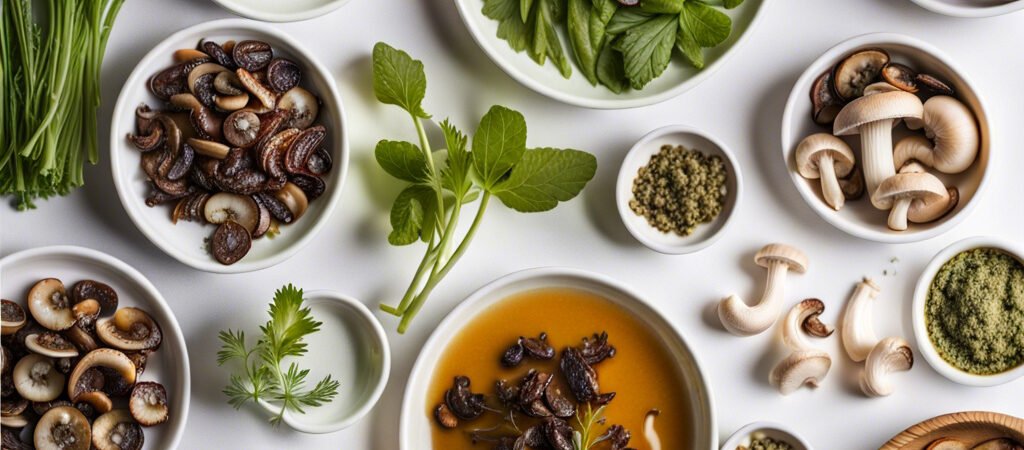
Enhance With More Medicinal Mushrooms:
Japan has a rich tradition of using medicinal mushrooms like shiitake, maitake, and reishi, known for their immune-boosting and anti-inflammatory properties.
- A culinary shaman could create dishes like mushroom dashi or stir-fries highlighting these fungi, potentially supporting immunity and reducing cancer risk.
- Expand seaweed varieties: Beyond common seaweeds like wakame and nori, incorporating less common types like hijiki or arame, which are rich in minerals such as iodine and calcium, can add nutritional depth, supporting thyroid and bone health.
- Create medicinal broths: Traditional dashi, made from kombu and bonito flakes, can be enhanced with medicinal herbs or roots like burdock, known for its detoxifying properties, or astragalus, an adaptogen supporting immune function, creating a therapeutic base for soups and stews.
Korean Cuisine:
Diversify Kimchi
While kimchi is already a medicinal powerhouse, a culinary shaman could experiment with different vegetable combinations, such as adding ginseng for its adaptogenic effects or astragalus for immune support, enhancing its probiotic and anti-inflammatory properties.
- Pair with medicinal teas: Korea has a tradition of medicinal teas; a culinary shaman could pair meals with teas like omija (five-flavor berry) tea, which supports digestion and immunity, or yuja tea, rich in vitamin C, to complement the meal’s health benefits.
- Incorporate wild greens: Using foraged wild greens, which are often richer in nutrients than cultivated vegetables, can add a new dimension to Korean dishes. For example, wild sesame leaves or dandelion greens could be used in banchan (side dishes), offering additional vitamins and minerals.
These enhancements aim to make food not just nourishing but actively therapeutic, drawing from traditional practices like Korean medicinal food culture, where food and medicine are seen as one (Medicinal Food Understanding in Korean Gastronomic Culture), and Japanese traditions of using mushrooms and seaweeds for healing.
However, while promising, the efficacy of these enhancements requires further scientific validation, acknowledging the emerging nature of culinary shamanism.
A Vision For The Future
Culinary shamanism represents a paradigm shift in how we view food consumption, not just as sustenance or pleasure, but as a powerful tool for health and healing.
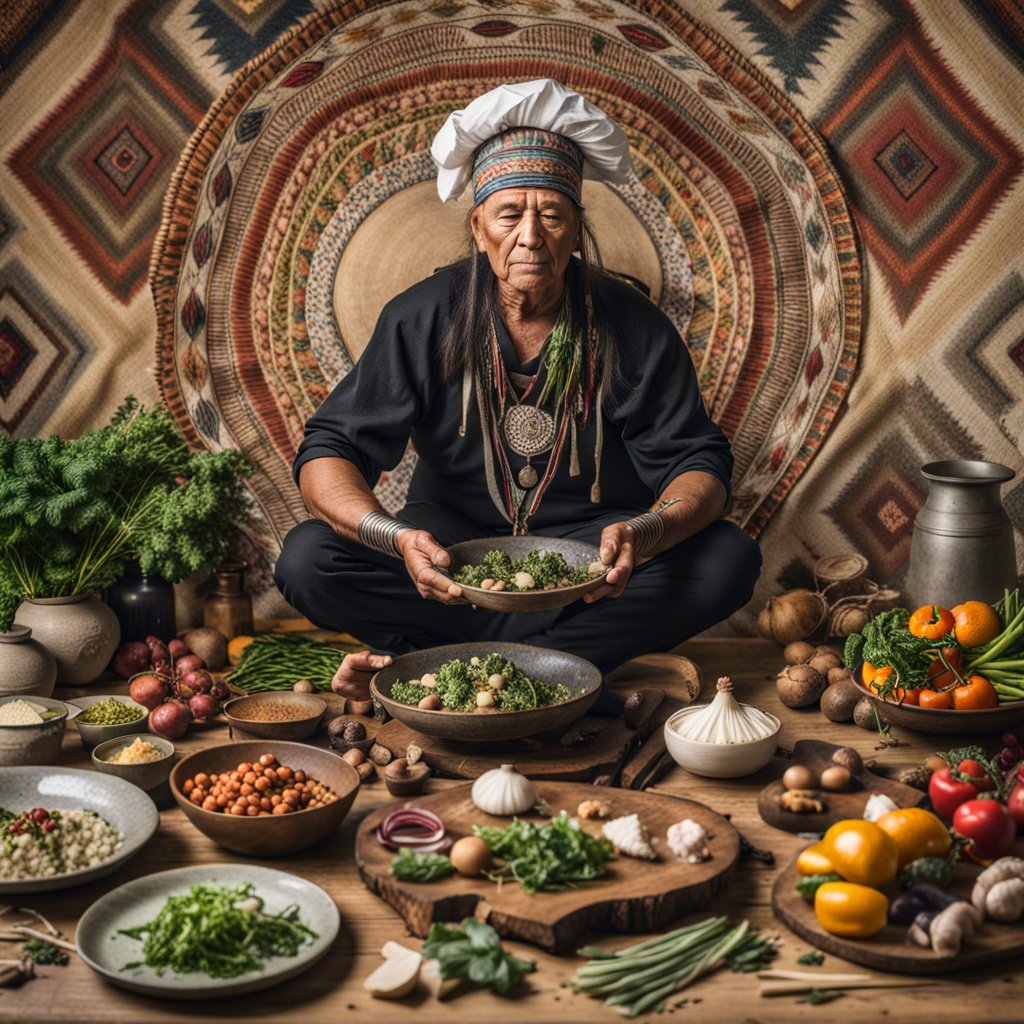
As the world becomes more health-conscious, with increasing demand for food that promotes well-being, culinary shamanism bridges the gap between traditional healing practices and modern culinary arts, offering a holistic approach to dining.
Key Societal Impacts Of Culinary Shamanism
- Preventive Healthcare: By transforming healthy cuisines into medicinal ones, culinary shamans contribute to preventive healthcare, helping to reduce the prevalence of chronic diseases. For example, incorporating turmeric into Mediterranean dishes could lower inflammation, potentially reducing arthritis risk, while medicinal mushrooms in Japanese cuisine could boost immunity, aiding in cancer prevention.
- Cultural Preservation: Incorporating traditional medicinal practices into cooking preserves ancient knowledge systems, ensuring they are passed on to future generations. This aligns with efforts to maintain cultural identity, as seen in the adaptation of Mediterranean principles to Asian cuisines (How to Adapt the Mediterranean Diet for Different Cuisines), and the preservation of Korean fermentation traditions.
- Sustainable Eating: Many medicinal ingredients, such as wild greens, mushrooms, and seaweeds, are locally sourced and sustainable, promoting environmental health. This aligns with global sustainability goals, reducing reliance on processed foods and supporting local ecosystems.
- Personalized Nutrition: Culinary shamans can tailor dishes to individual health needs, creating personalized dining experiences that address specific conditions or imbalances, such as using adaptogens for stress or anti-inflammatory spices for joint health, enhancing the therapeutic potential of meals.
The Future Of Culinary Shamanism
The future of culinary shamanism lies in its ability to merge ancient wisdom with modern science, drawing from diverse cultural traditions.
Practices like the Amazonian shamanic diet, where specific plants are used for healing and knowledge (Healing and Knowledge with Amazonian Shamanic Diet), offer parallels for global application.
Books like Food Shaman: “The Art of Quantum Food” by Michael S. Fenster MD highlight the growing interest in blending food with intention and healing, emphasizing the total Food Experience that nurtures both body and soul (Food Shaman: The Art of Quantum Food).
This trend is likely to grow as consumers seek more than just healthy food, they want food that actively improves their health, aligning with the rise of culinary medicine, a field blending food science with healing (Culinary Medicine and Nature: Foods That Work Together).
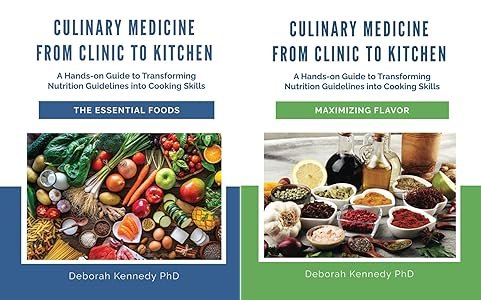
Culinary shamanism has the potential to revolutionize the food industry by:
- Educating chefs and home cooks: Training programs could teach the principles of culinary shamanism, emphasizing the use of medicinal ingredients and holistic cooking practices, fostering a new generation of health-focused culinary professionals.
- Inspiring new culinary trends: Restaurants and food brands could adopt this approach, offering menus that highlight the medicinal benefits of their dishes, such as “Medicinal Mushroom Ramen” or “Turmeric-Infused Greek Salad,” appealing to health-conscious diners.
- Promoting global wellness: As culinary shamanism spreads, it could contribute to a global shift towards food as medicine, reducing reliance on pharmaceuticals for preventable conditions, and fostering a culture of preventive health through diet.
Culinary shamanism is not just a trend but a movement with the potential to transform how we eat and heal.
By elevating the world’s to medicinal heights, culinary shamans pave the way for a future where food is both a delight and a powerful ally in the pursuit of health and longevity.
Primary Citations
Healthline: Top 10 Healthiest Cuisines
Wander Healthy: Healthiest Cuisine in the World
HDFC Ergo: World’s 10 Healthiest Cuisines
The Travel: Healthiest Cuisines According to Healthline
Why and How the Indo-Mediterranean Diet May Be Superior to Other Diets
Japanese Taste: The Japanese Diet Why Is Japan So Healthy?
Korean Traditional Foods as Antiviral and Respiratory Disease Prevention
Medicinal Food Understanding in Korean Gastronomic Culture
How to Adapt the Mediterranean Diet for Different Cuisines
Healing and Knowledge with Amazonian Shamanic Diet
Food Shaman: The Art of Quantum Food
Culinary Medicine and Nature: Foods That Work Together
Green Tea: Top 10 Evidence-Base