Sugar Intake In Older Adults And The Role Of Culinary Shamans
In an era where dietary habits significantly impact health outcomes, excessive sugar consumption has emerged as a critical health concern. This is particularly relevant for older adults over 60, who face heightened risks from high sugar intake. This due to age-related physiological changes.
This post details why older adults should be cautious with sugar. It identifies wholesome fruits recommended for culinary menus and examines the alarming levels of daily sugar consumption. It also highlights the pivotal role of culinary shamans in promoting healthier dietary perspectives. Emphasized is our influence in shaping eating habits for better health outcomes.
The Importance Of Managing Sugar Intake For Older Adults

Research consistently shows that older adults over 60, need to be more vigilant about their sugar intake due to several factors. As individuals age, their bodies experience a decline in insulin sensitivity. This means cells become less responsive to insulin, the hormone that regulates blood sugar levels. This can lead to elevated blood sugar levels and an increased risk of developing type 2 diabetes, a condition more prevalent in older populations.
For instance, sources like “4 Hidden Dangers Seniors Should Know” and “A Senior’s Guide to Sugar” emphasize that added sugars in sweetened beverages and desserts pose significant risks, including heart disease and diabetes, which are particularly concerning for seniors.
Additionally, older adults often have pre-existing conditions such as hypertension and obesity, which can be exacerbated by high sugar intake. Excessive sugar consumption contributes to inflammation and metabolic disturbances, further complicating health management.
Cognitive health is another area of concern, with studies like “WebMD: “12 Ways Too Much Sugar Harms Your Body” linking high sugar intake to cognitive decline and increased dementia risk, especially relevant for older adults who may already experience age-related cognitive changes.
Blood sugar regulation also becomes more challenging with age due to reduced muscle mass, which helps metabolize glucose, and changes in liver function. This can result in more frequent blood sugar spikes and crashes, making it essential for older adults to limit added sugars.
The American Heart Association recommends a daily limit of 6 teaspoons (25 grams) for women and 9 teaspoons (36 grams) for men, yet the average consumption far exceeds these guidelines, highlighting the need for targeted dietary strategies.
Alarming Levels Of Daily Sugar Consumption

The statistics on daily sugar consumption are alarming and underscore the urgency of addressing this issue. According to the American Heart Association, adults and young adults in the U.S. consume an average of about 17 teaspoons of added sugar daily, translating to approximately 60 pounds annually per person.
A 2021 review cited by “Healthline: Daily Sugar Intake” found that from 2017 to 2018, adults aged 19 to 50 consumed 72.3 grams (290 calories, 18 teaspoons) daily, nearly twice the recommended limit for men and three times that for women. Earlier data from 2011 to 2012 showed even higher consumption at 83.6 grams daily.
For children and young adults aged 2 to 19, the CDC reports an average intake of 17 teaspoons, with boys consuming 18 teaspoons and girls 15 teaspoons, as noted in “CDC: Get the Facts: Added Sugars.” The primary sources of these added sugars are sugar-sweetened beverages, desserts, and processed foods, which provide little nutritional value and significantly contribute to chronic disease risks.
This excessive consumption is particularly concerning for older adults, who may already be managing multiple health conditions, making it imperative to reduce sugar intake to mitigate further health risks.
Wholesome Fruits With Low Glycemic Values
While reducing overall sugar intake is crucial, incorporating wholesome fruits with low glycemic values can support healthy eating, especially for older adults. The glycemic index (GI) measures how quickly a food raises blood sugar levels, with low-GI foods (55 or less) causing a slower, smaller rise, making them ideal for managing blood sugar.
Fruit, despite containing natural sugars, can be beneficial when chosen wisely, as they also provide fiber, vitamins, and antioxidants.
The following table lists some recommended low-GI fruits, their GI values, and key nutritional benefits, based on resources like Glycemic Index and Glycemic Load of Fruits and “Healthline: 10 Low-Glycemic Fruits for Diabetes:”
| Fruit | GI Value | Key Nutritional Benefits |
|---|---|---|
| Apples | 36 | High in fiber, vitamin C, and antioxidants |
| Pears | 38 | Rich in fiber, vitamin K, and antioxidants |
| Oranges | 45 | Excellent source of vitamin C and fiber |
| Strawberries | 41 | Low in sugar, high in antioxidants |
| Blueberries | 53 | Rich in fiber, vitamins C and K |
| Cherries | 22 | Low GI, high in antioxidants and fiber |
| Grapefruit | 25 | High in vitamin C, low in sugar |
| Plums | 35 | Good source of fiber and vitamin C |
| Peaches | 42 | Rich in vitamins A and C, moderate fiber |
| Avocados | 15 | High in healthy fats, very low GI |
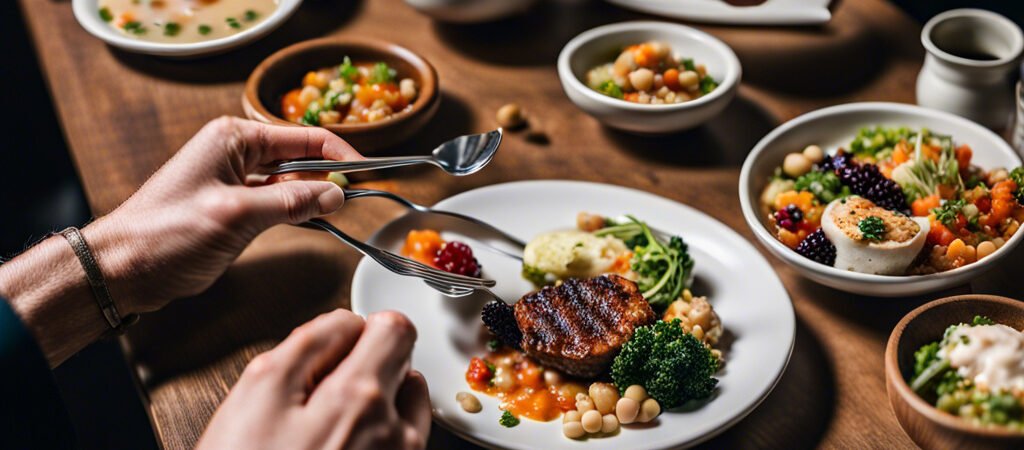
These fruits are particularly suitable for older adults and can be incorporated into various dishes, such as salads, smoothies, and desserts, to replace high-sugar options. Their fiber content helps slow sugar absorption, reducing the risk of blood sugar spikes, making them ideal for culinary menus focused on health.
The Role of Culinary Shamans in Promoting Healthier Perspectives
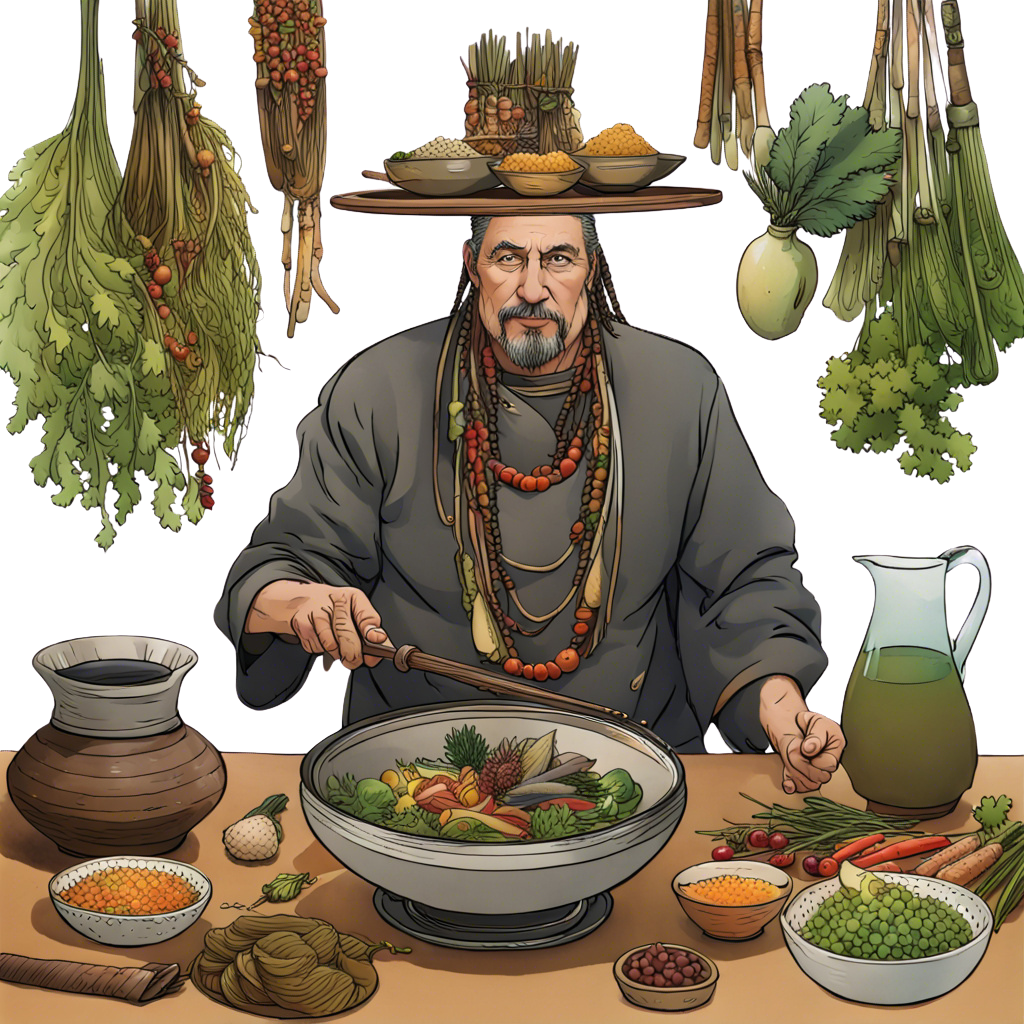
Culinary shamans, defined here as culinary experts or chefs with a deep understanding of food and its health impacts, play a vital role in influencing dietary habits. Our sphere of influence extends to creating menus, educating others, and advocating for healthier eating practices, particularly by specializing in low-glycemic fruits.
In the post, “How To Hack The Shamanic Art Of Healing Through Food,” you learn that certain foods wield profound influence, promoting health, alleviating discomfort, and transforming our bodies from within. Given the alarming levels of sugar consumption, our role is crucial in shifting focus from processed, high-sugar foods to nutrient-dense, low-GI options.
Culinary shamans can incorporate low-GI fruits like apples, pears, and berries into menus, demonstrating that healthy eating can be delicious and satisfying. For example, we might create desserts using these fruits as natural sweeteners, reducing the need for added sugars. We can also educate our audience about the risks of excessive sugar intake and the benefits of low-GI foods through workshops, recipes, and content creation, as highlighted by The Well by Northwell: Low Glycemic Index Fruits.
By advocating for balanced diets that prioritize whole, nutrient-dense foods, culinary shamans help foster a culture of healthier eating. While important for everyone, this is particularly important for older adults, who may benefit most from such changes, as they navigate age-related health challenges.
Our leadership by example can inspire others to make informed food choices, ultimately contributing to reduced chronic disease prevalence and improved public health.
To Conclude
The evidence clearly points to the need for older adults, especially those over 60, to be cautious with high sugar intake due to increased risks of diabetes, heart disease, and cognitive decline. The alarming levels of daily sugar consumption, averaging 17 teaspoons for adults, underscore the urgency of this issue.
Wholesome fruits with low glycemic values, such as apples and berries, offer a healthy alternative, supporting blood sugar management and overall nutrition.
Culinary shamans, with our “expertise” and influence, we will be well-positioned to promote these healthier options, educating and inspiring others to adopt dietary practices that enhance health outcomes, particularly for older adults.