Unveiling the Fiery Root
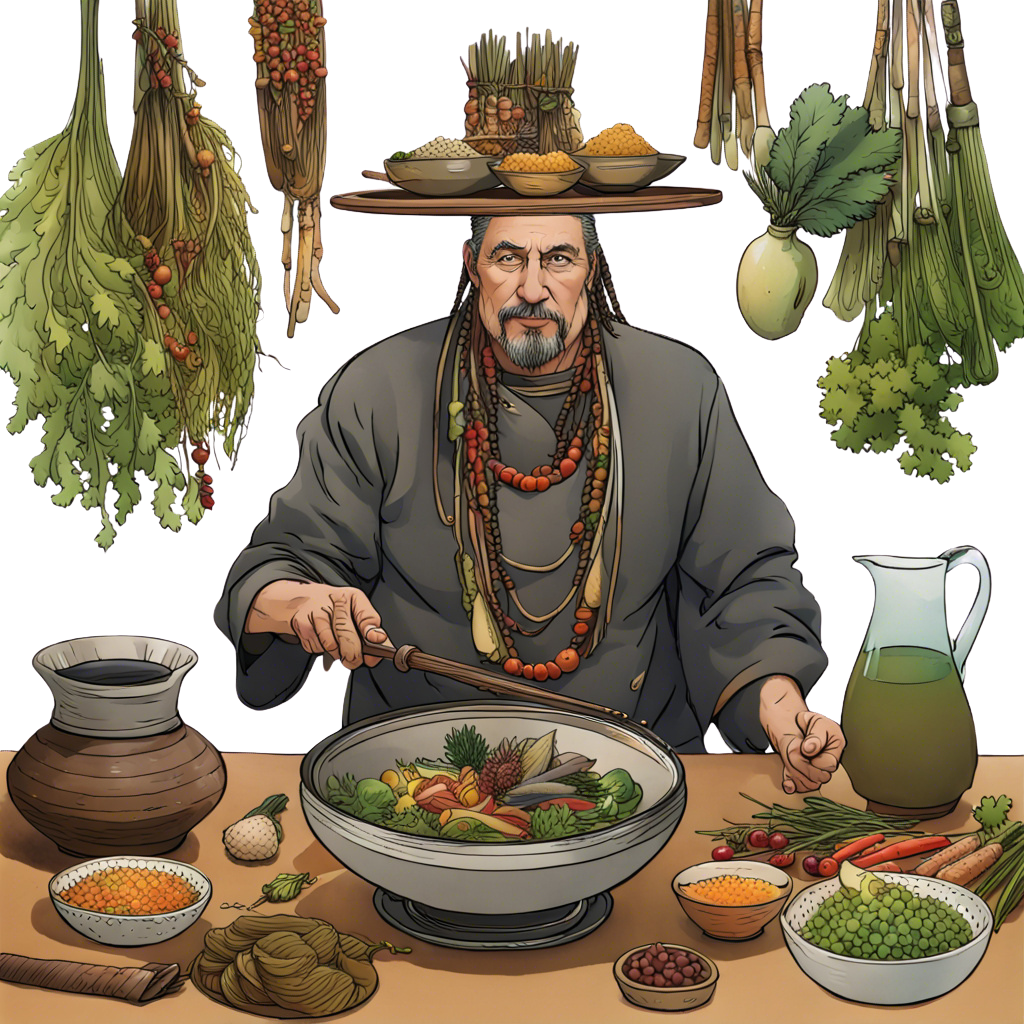
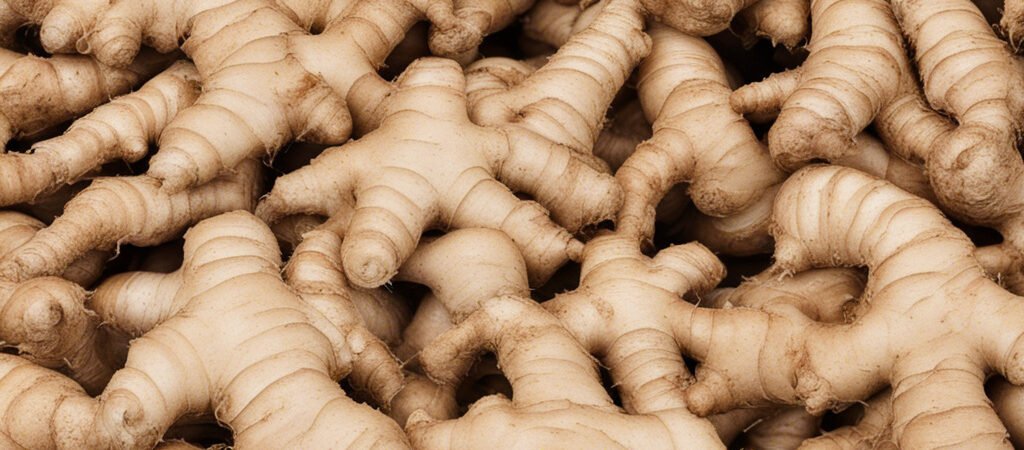
For centuries, ginger root (Zingiber officinale) has danced through kitchens and apothecaries, a fiery muse for culinary shamans and healers alike. Its knobby, golden flesh carries a warm, spicy zing that transforms dishes and awakens the senses.
Beyond its culinary prowess, ginger is a potent ally in wellness. Revered in Ayurveda, Traditional Chinese Medicine, and global folk traditions, it demands respect. Its gifts come with caveats.
In the post, “Build Strong Digestion And Boost Immunity With Masalas,” you are introduced to ginger being used in the chaat masala.
This post is a grimoire for wielding ginger’s magic in other meal preparations, from its vibrant applications to the contraindications that guide its safe use.

The Essence of Ginger‘s Flavor
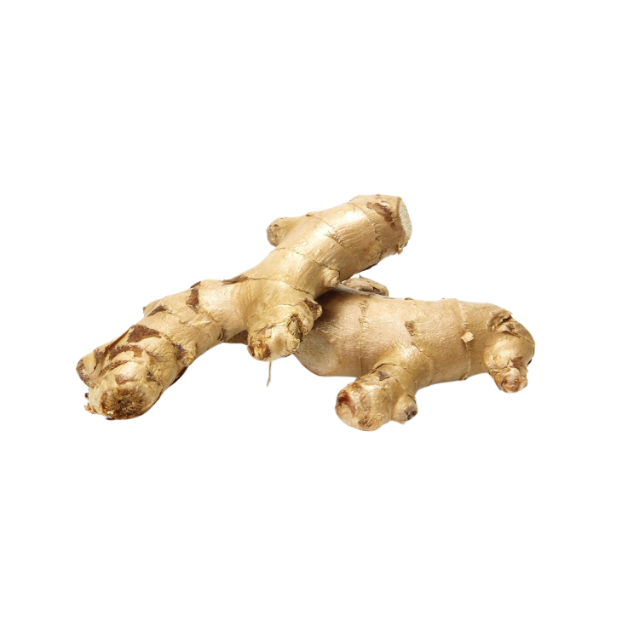
Ginger root is a rhizome, a subterranean stem that bursts with pungent, citrusy, and slightly sweet notes. Its flavor profile is a balance of heat (from gingerol) and brightness, making it a versatile player in sweet and savory dishes.
Available fresh, dried, powdered, candied, or pickled, ginger adapts to the culinary shaman’s intent:
- Fresh Ginger: Grated, sliced, or juiced, it delivers a bold, zesty punch. Ideal for stir-fries, curries, teas, and marinades.
- Dried or Powdered Ginger: Concentrated and warm, perfect for baking (think gingerbread) or spice blends.
- Candied Ginger: Sweet and chewy, a delightful addition to desserts or a standalone treat.
- Pickled Ginger: A palate-cleansing companion to sushi, with a tangy, delicate bite.
How To Use Ginger Root
Ginger’s versatility makes it a staple for culinary shamans crafting meals that nourish body and soul.
Here are some inspired ways to weave its magic into your creations:
- Savory Sorcery:
- Stir-Fries and Curries: Grate fresh ginger into sesame oil with garlic for an aromatic base. Pair with vegetables, proteins, or coconut milk for Thai or Indian-inspired dishes.
- Soups and Broths: Simmer sliced ginger in miso soup, pho, or chicken noodle for a warming, immune-boosting depth.
- Marinades: Blend ginger juice with soy sauce, honey, and lime for a vibrant marinade for meats or tofu.
- Sweet Enchantments:
- Baked Goods: Add powdered ginger to cookies, cakes, or scones for a cozy warmth. Combine with cinnamon and nutmeg for classic ginger snaps.
- Desserts: Infuse creams or custards with fresh ginger for a sophisticated twist, or garnish with candied ginger for texture.
- Elixirs and Brews:
- Teas and Tonics: Steep sliced ginger with lemon and honey for a soothing tea to aid digestion or combat colds.
- Smoothies and Juices: Blend a small knob of fresh ginger into fruit smoothies for a spicy kick and anti-inflammatory boost.
- Global Inspirations:
- Japanese: Serve pickled ginger (gari) with sushi to cleanse the palate.
- Indian: Incorporate ginger into chutneys or masala chai for authentic flair.
- Caribbean: Use ginger in jerk seasoning or rum-based cocktails for a tropical vibe.
Preparation Tips For Potency:
- To Peel: Scrape off the thin skin with a spoon.
- Storage: Keep fresh ginger in a paper bag in the fridge for up to three weeks, or freeze it (grate it frozen for easy use).
- For Grating: A micro-plane yields fine ginger pulp. It’s perfect for even distribution in dishes.
- Quantity: 1 tsp grated fresh ginger per serving will not likely overpower your meals.

Ginger’s Healing Powers In A Shaman’s Apothecary
Ginger’s culinary allure is matched by its medicinal might, rooted in compounds like gingerol, shogaol, and zingiberene. For the culinary shaman, understanding these benefits enhances intentional meal crafting:
- Digestive Aid: Ginger stimulates saliva and bile production, easing nausea, bloating, and indigestion. Serve ginger-infused dishes after rich meals.
- Anti-Inflammatory: Gingerol reduces inflammation, making ginger a boon for those with arthritis or muscle soreness. Incorporate it into post-workout meals.
- Immune Support: Its antimicrobial and warming properties help fend off colds. Ginger tea or broths are perfect for flu season.
- Circulatory Boost: Ginger promotes blood flow, supporting heart health. Use it in warming winter recipes.
Contraindications That Warrant You To Tread Lightly
Ginger’s potent nature requires caution in certain contexts.
These are important contra-indications! You must ensure your meals will heal and not harm:
- Medical Conditions:
- Bleeding Disorders: The salicylates in ginger’s have blood-thinning properties that may increase bleeding risk. Avoid heavy use if someone has hemophilia or is on blood thinners like warfarin.
- Gallstones: Ginger stimulates bile production, which could exacerbate gallstone issues. Ask a knowledgeable, licensed healthcare provider about using ginger.
- Low Blood Pressure: Ginger can lower blood pressure, potentially causing dizziness in those with hypotension or on antihypertensive drugs.
- Heartburn or GERD: In some, ginger may trigger acid reflux. Use sparingly and monitor reactions.
- Medication Interactions:
- Anticoagulants/Antiplatelets: Ginger may enhance the effects of drugs like aspirin or clopidogrel, increasing bleeding risk.
- Diabetes Medication: It is contraindicated for people on insulin or taking oral diabetes drugs. Might cause hypoglycemia.
- Chemotherapy: High doses of ginger may interfere with certain chemotherapy drugs. Consult an oncologist.
- Pregnancy and Breastfeeding:
- Ginger is effective for morning sickness (1-2g daily is safe). It’s blood-thinning effect poses risks as a woman nears delivery.
- If breastfeeding, moderate culinary use is considered safe.
- Allergies and Sensitivities:
- Rare allergic reactions (rash, swelling) can occur. Discontinue use if symptoms appear.
- Ginger’s heat may irritate sensitive stomachs or mouths in large quantities.
- Children:
- Safe in small culinary amounts for kids over 2. Avoid mega-doses.
Dosage Guidelines for Culinary Use:
- Fresh Ginger: 1-2 tsp grated per serving is safe for most dishes.
- Powdered Ginger: ¼-½ tsp per serving for baking or spice mixes.
- Therapeutic Use: For nausea or digestion. 1-4g daily (split into doses). Consult a professional for personalized advice.
- Maximum Safe Dose: Up to 4g daily for adults; exceeding this may cause heartburn or diarrhea.
Sourcing and Sustainability: Choosing Your Ginger
For the culinary shaman, quality matters. Opt for organic ginger to avoid pesticides, as the rhizome absorbs chemicals from soil.
Look for firm, smooth roots with taut skin and a strong aroma. Support sustainable farmers by sourcing from local markets or fair-trade suppliers, as ginger farming can be labor-intensive in regions like India, Nigeria, or Indonesia.
Cultural Reverence: Ginger in Tradition
Ginger’s legacy spans continents. To Ayurveda, it’s a “universal medicine,” balancing doshas and igniting agni (digestive fire).
In Chinese cuisine, it harmonizes yin and yang, often paired with scallions in healing broths. In African and Caribbean traditions, ginger stars in teas and stews, a symbol of vitality.
Honor these roots by learning from diverse recipes and respecting ginger’s sacred role.
Wielding Ginger with Wisdom
Ginger root is a culinary shaman’s wand, capable of transforming meals into experiences that delight and heal.
Like any potent tool, it demands mindfulness. Know its contraindications and respect its limitations. Wield it with intention.
Mastering ginger’s alchemy, you’ll craft meals that are mouthfuls of magic that nourish body, mind, and soul.
Experiment with ginger in your next dish, perhaps a ginger-laced carrot soup or a spiced chai panna cotta.
Share your creations with us and other fellow culinary shamans.
Always understand your diners’ needs to ensure ginger’s fire burns rightly and safely.