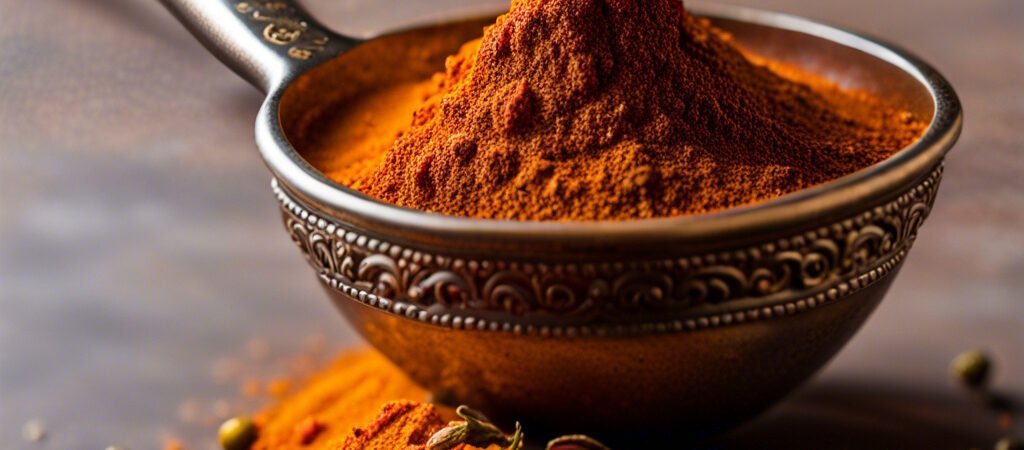
Indian masalas are spice blends that form the backbone of the cuisine, offering both flavor and health benefits central to Indian culinary tradition.
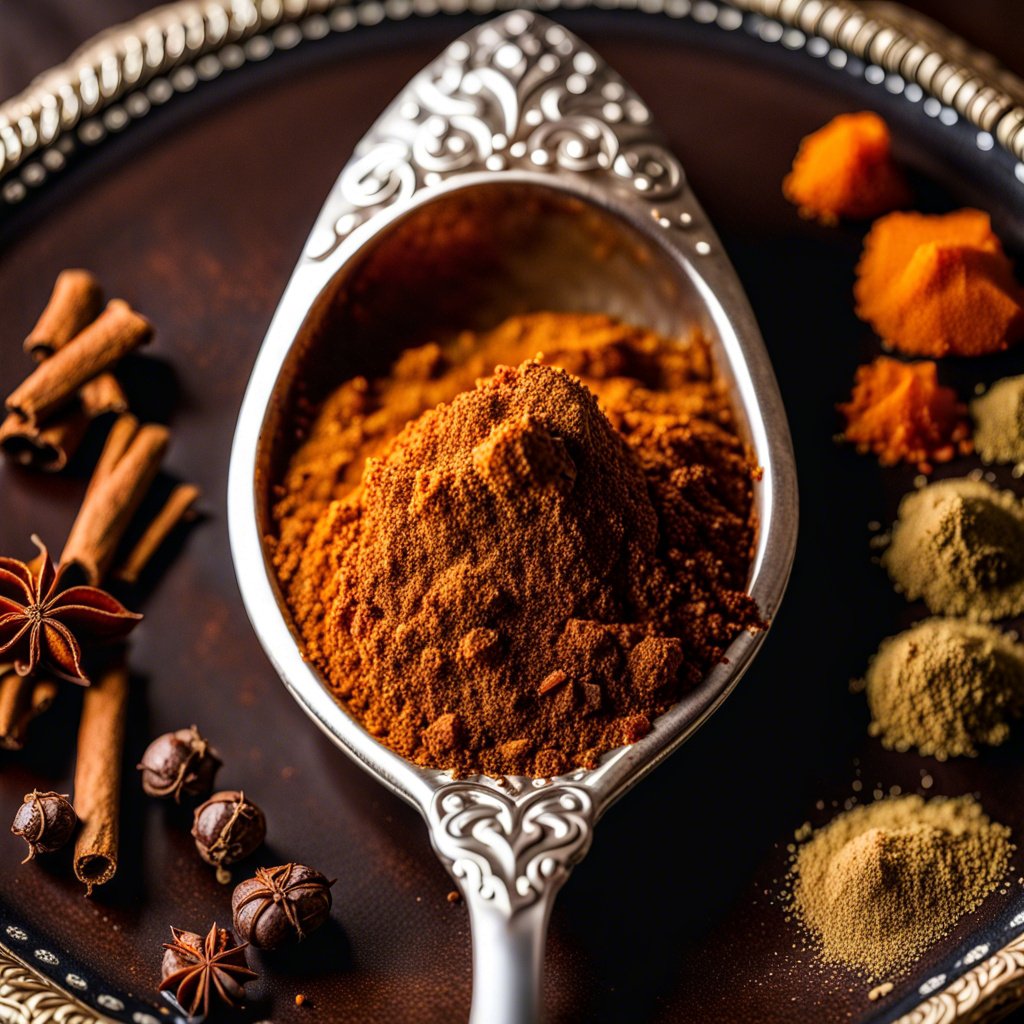
They vary by region, dish, and purpose, with each blend designed to balance flavors and health benefits specific to their regional origins.ey are traditionally used in dishes like curries, snacks, and stews, with each blend tailored to enhance taste and support well-being.
Below, explore three popular masalas, their recipes, ingredient proportions, medicinal values, and how they impact bodily systems.
Indian Masalas Offer Therapeutic Potential
Garam Masala: The Warm Blend
Garam Masala is a warming spice mix, often added at the end of cooking for depth. Its recipe, sourced from Veg Recipes of India, includes:
- Cumin seeds: ½ cup (63 grams)
- Coriander seeds: ¼ cup (18 grams)
- Fennel seeds: ¼ cup (24 grams)
- Caraway seeds: 2 tablespoons (9 grams)
- Mace: 2 tablespoons (8 grams)
- Cinnamon sticks: 10 (7 grams total)
- Cloves: 2 tablespoons (12 grams)
- Green cardamoms: 20 (4 grams)
- Black cardamoms: 6 (4 grams)
- Nutmeg: 1
- Indian bay leaf: 10 (2 grams)
- Dry ginger powder: 2 tablespoons
- Black pepper: 2 tablespoons (20 grams)
- Dried rose petals: 3 tablespoons (20 grams)
Medicinal benefits include aiding digestion (cumin, coriander), reducing inflammation (turmeric, if included in variations), and boosting immunity (cinnamon, cloves).
Therefore, this blend has the ability to support the digestive and respiratory systems, with warming spices like cinnamon enhancing circulation.
Goda Masala: The Maharashtrian Mix
Goda Masala, from Maharashtra, adds a subtle sweetness to dishes like Matki Amti. Its recipe, from Veg Recipes of India, includes:
- Coriander seeds: 8 tablespoons (40-45 grams)
- Desiccated coconut: 6 tablespoons (40 grams)
- White sesame seeds: 7 tablespoons (55-60 grams)
- Cumin seeds: 2 tablespoons
- Caraway seeds: 2 teaspoons
- Stone flower: 3 tablespoons
- Poppy seeds: ½ tablespoon
- Dry red chilies: 4-5
- Niger seeds: 3 teaspoons
- Nag kesar: 1 teaspoon
- Black peppercorns: ½ teaspoon
- Cloves: 25 (¾ to 1 tablespoon)
- Cinnamon sticks: 4-5 pieces (1 inch each)
- Black cardamoms: 4 (seeds only)
- Green cardamoms: 5-6
- Indian bay leaf: 7-8 small
- Star anise: 3-4
- Turmeric powder: 1.5 teaspoons
- Asafoetida: ¼ teaspoon
- Oil: 2 teaspoons
This blend supports digestion (asafoetida, cumin) and has anti-inflammatory properties (turmeric, star anise), benefiting the digestive and immune systems, with sesame seeds aiding calcium absorption.
Chaat Masala: The Tangy Spice
Chaat Masala enhances street foods with its tangy, spicy profile. Its recipe, from Serious Eats, includes:
- Cumin seeds: 2 ½ tablespoons (12 g)
- Coriander seeds: 1 tablespoon (5 g)
- Fennel seeds: 1 ½ teaspoons (4 g)
- Ajwain seeds: 1 ½ teaspoons (3 g)
- Dried mint: 1 tablespoon (3 g)
- Kala namak powder: 1 tablespoon (13 g)
- Kosher salt: 1 teaspoon (5 g)
- Green mango powder: 3 tablespoons (18 g)
- Tamarind powder: 4 ½ teaspoons (16 g)
- Black peppercorns: 1 teaspoon (2 g)
- Kashmiri red chili powder: 5 teaspoons (12 g)
- Ginger powder: 1 teaspoon (2 g)
It aids digestion (tamarind, ginger) and has antioxidant properties (green mango powder), supporting the digestive system and boosting immunity, with ajwain aiding respiratory health.
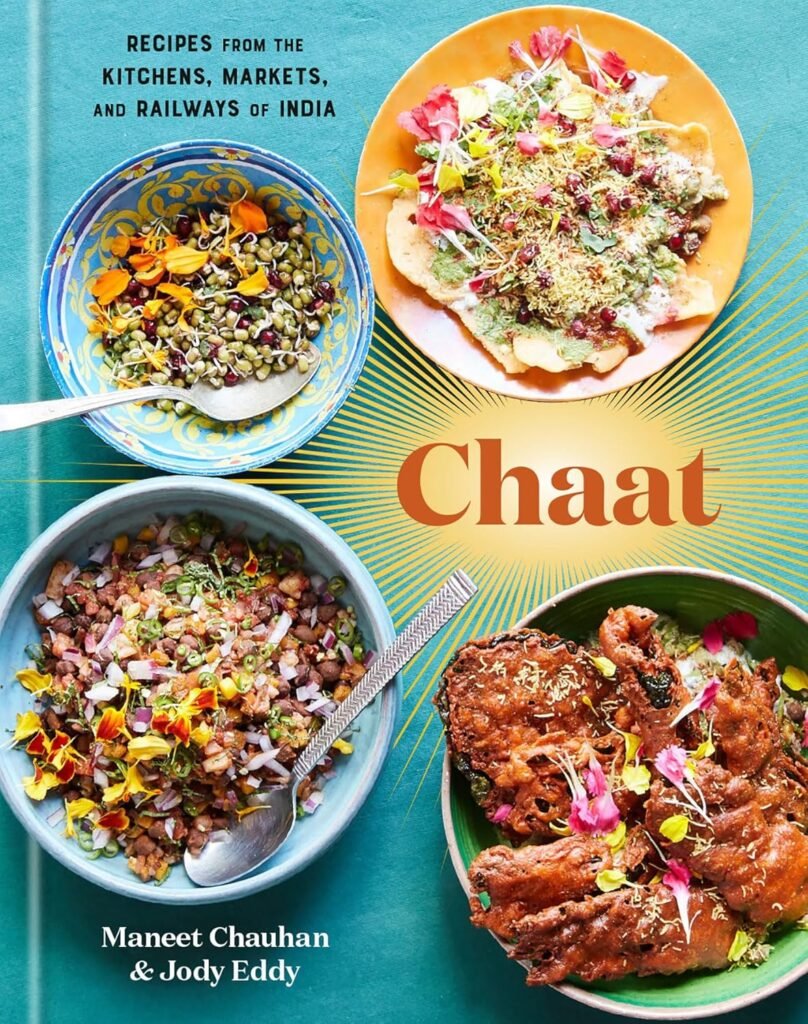
Tapestry’s Of Flavor
Woven together by the intricate art of masala blending, spices are not merely flavor enhancers, but also carriers of ancient cultural wisdom.
In-Depth Preparation Details
Garam Masala
Garam Masala, meaning “hot spices,” is a warming blend used in North Indian cuisine, often added at the end of cooking to enhance aroma. The recipe, yielding about 190 grams, includes:
- Cumin seeds: ½ cup (63 grams)
- Coriander seeds: ¼ cup (18 grams)
- Fennel seeds: ¼ cup (24 grams)
- Caraway seeds: 2 tablespoons (9 grams)
- Mace: 2 tablespoons (8 grams)
- Cinnamon sticks: 10 (each 2-3 inches, 7 grams total)
- Cloves: 2 tablespoons (12 grams)
- Green cardamoms: 20 (4 grams)
- Black cardamoms: 6 (4 grams)
- Nutmeg: 1
- Indian bay leaf: 10 (2 grams)
- Dry ginger powder: 2 tablespoons
- Black pepper: 2 tablespoons (20 grams)
- Dried rose petals: 3 tablespoons (20 grams)
Preparation involves roasting each spice separately on low heat until fragrant, then grinding into a fine powder, stored in an airtight container for up to 6 months.
Goda Masala
Goda Masala, or Maharashtra Masala, is known for its subtle sweetness, used in dishes like Matki Amti and Masale Bhat. The recipe, yielding about 250 grams, includes:
- Coriander seeds: 8 tablespoons (40-45 grams)
- Desiccated coconut: 6 tablespoons (40 grams)
- White sesame seeds: 7 tablespoons (55-60 grams)
- Cumin seeds: 2 tablespoons
- Caraway seeds: 2 teaspoons
- Stone flower: 3 tablespoons
- Poppy seeds: ½ tablespoon
- Dry red chilies: 4-5
- Niger seeds: 3 teaspoons
- Nag kesar: 1 teaspoon
- Black peppercorns: ½ teaspoon
- Cloves: 25 (about ¾ to 1 tablespoon)
- Cinnamon sticks: 4-5 pieces (1 inch each)
- Black cardamoms: 4 (seeds only)
- Green cardamoms: 5-6
- Indian bay leaf: 7-8 small-sized
- Star anise: 3-4
- Turmeric powder: 1.5 teaspoons
- Asafoetida: ¼ teaspoon
- Oil: 2 teaspoons
Each ingredient is roasted separately on low heat, ground into a powder, and stored for 1-2 months at room temperature or up to 6 months in the refrigerator.
Chaat Masala
Chaat Masala, a tangy and spicy blend, enhances street foods like papri chaat and fruit salads. The recipe includes:
- Cumin seeds: 2 ½ tablespoons (12 g)
- Coriander seeds: 1 tablespoon (5 g)
- Fennel seeds: 1 ½ teaspoons (4 g)
- Ajwain seeds: 1 ½ teaspoons (3 g)
- Dried mint: 1 tablespoon (3 g)
- Kala namak powder: 1 tablespoon (13 g)
- Kosher salt: 1 teaspoon (5 g)
- Green mango powder: 3 tablespoons (18 g)
- Tamarind powder: 4 ½ teaspoons (16 g)
- Black peppercorns: 1 teaspoon (2 g)
- Kashmiri red chili powder: 5 teaspoons (12 g)
- Ginger powder: 1 teaspoon (2 g)
Cumin, coriander, fennel, and ajwain seeds are toasted separately, then all ingredients are ground into a fine powder, stored for up to 3 months in a cool, dry place.
Medicinal Values of Ingredients
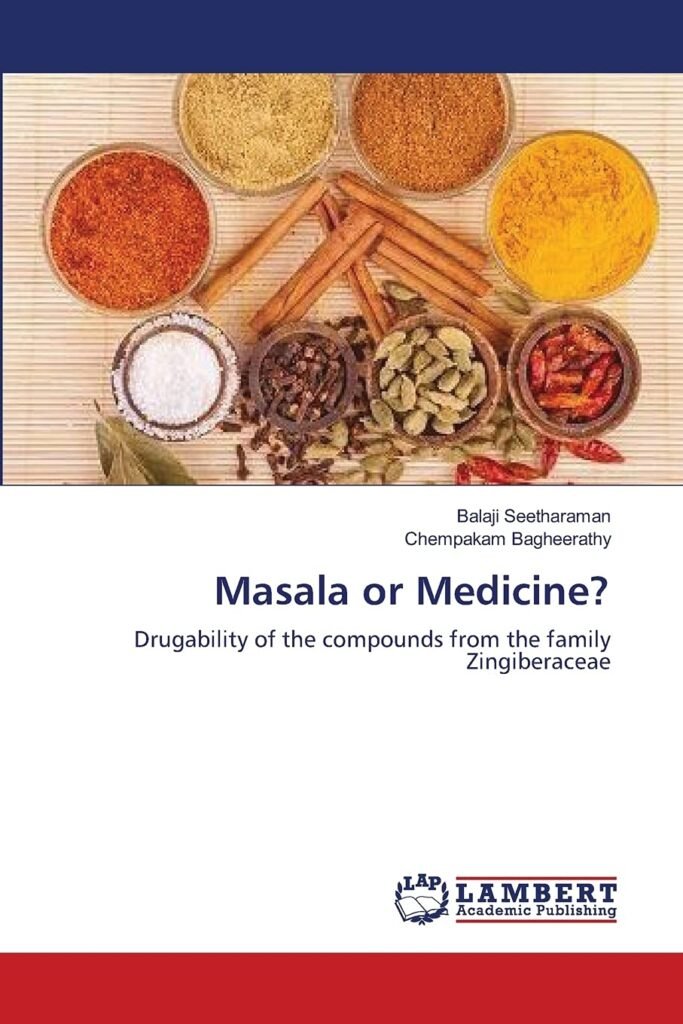
The medicinal values, sourced from Health Benefits of Indian Spices, are detailed below, reflecting traditional uses and scientific insights:
| Ingredient | Medicinal Values |
|---|---|
| Cumin seeds | Aids digestion, relieves bloating, antioxidant, enhances saliva secretion, lowers blood sugar. |
| Coriander seeds | Improves digestion, reduces inflammation, rich in antioxidants, treats urinary tract infections. |
| Fennel seeds | Soothes digestive tract, reduces inflammation, antimicrobial, relieves colic pain. |
| Caraway seeds | Improves digestion, relieves constipation, anti-inflammatory, treats early cataracts. |
| Mace | Warming, aids digestion, used for respiratory issues, antimicrobial. |
| Cinnamon | Regulates blood sugar, anti-inflammatory, antioxidant, improves circulation, antifungal. |
| Cloves | Antimicrobial, aids digestion, analgesic for toothaches, highest antioxidant among spices. |
| Green cardamoms | Improves digestion, anti-inflammatory, freshens breath, prevents nausea. |
| Black cardamoms | Aids digestion, warming, used for respiratory issues, enhances circulation. |
| Nutmeg | Sedative, aids digestion, used for insomnia, antimicrobial, contains toxic myristicin. |
| Indian bay leaf | Improves digestion, anti-inflammatory, stimulates gastric functions, relieves joint pain. |
| Dry ginger powder | Aids digestion, reduces nausea, anti-inflammatory, effective for colds and coughs. |
| Black pepper | Improves digestion, antioxidant, enhances nutrient absorption, antihypertensive, antitumor. |
| Dried rose petals | Calming, aids digestion, used for skin health, soothes respiratory issues. |
| Desiccated coconut | Rich in healthy fats, aids digestion, antimicrobial, supports heart health. |
| White sesame seeds | High in calcium, aids digestion, antioxidant, supports bone health. |
| Stone flower | Digestive, enhances flavor, traditionally used for stomach issues. |
| Poppy seeds | Calming, aids digestion, rich in minerals, used as skin moisturizer. |
| Dry red chilies | Rich in capsaicin, anti-inflammatory, pain-relieving, stimulates circulation. |
| Niger seeds | Antioxidant, used for digestive issues, may have toxic effects if bitter. |
| Nag kesar | Citrusy, aromatic, traditionally used for digestive and respiratory support. |
| Star anise | Antimicrobial, aids digestion, used for respiratory issues, rich in antioxidants. |
| Turmeric powder | Anti-inflammatory, antioxidant, antimicrobial, supports joint and heart health. |
| Asafoetida | Antimicrobial, aids digestion, relieves flatulence, used for menstrual pain. |
| Ajwain seeds | Antimicrobial, aids digestion, used for respiratory issues, antispasmodic. |
| Dried mint | Digestive, soothes stomach, used for respiratory issues, calming. |
| Kala namak powder | Digestive, unique flavor, traditionally used for bloating and gas. |
| Green mango powder | Rich in vitamin C, aids digestion, antioxidant, supports immunity. |
| Tamarind powder | Laxative, aids digestion, rich in antioxidants, supports liver health. |
| Kashmiri red chili powder | Mild heat, anti-inflammatory, rich in capsaicin, supports circulation. |
Impact On Bodily Systems
Each masala’s combination affects bodily systems uniquely, reflecting Ayurvedic principles of balancing doshas (energies):
- Garam Masala: The warming spices (cinnamon, cloves, black cardamom) enhance circulation and digestion, supporting the respiratory and circulatory systems. It seems likely that the blend boosts metabolism, with research suggesting antioxidants like those in cumin and coriander reduce oxidative stress.
- Goda Masala: With turmeric and asafoetida, it supports digestion and immunity, likely benefiting the digestive and immune systems. Sesame seeds may enhance calcium absorption, supporting bone health, while star anise aids respiratory function.
- Chaat Masala: Its tangy and spicy profile (green mango, tamarind, chili) stimulates appetite and digestion, likely supporting the digestive system. Ajwain and ginger may aid respiratory health, with antioxidants boosting immunity.
Synergism And Culinary Shamanism
Indian cooking’s synergism lies in how spices interact, enhancing both flavor and health.
For instance, Garam Masala’s combination of warming and cooling spices balances digestion and circulation, embodying Ayurvedic principles. Goda Masala’s subtle sweetness and anti-inflammatory properties make it ideal for hearty meals, while Chaat Masala’s tangy kick stimulates appetite, perfect for snacks.
Culinary shamanism views cooking as alchemy, transforming ingredients into healing potions.
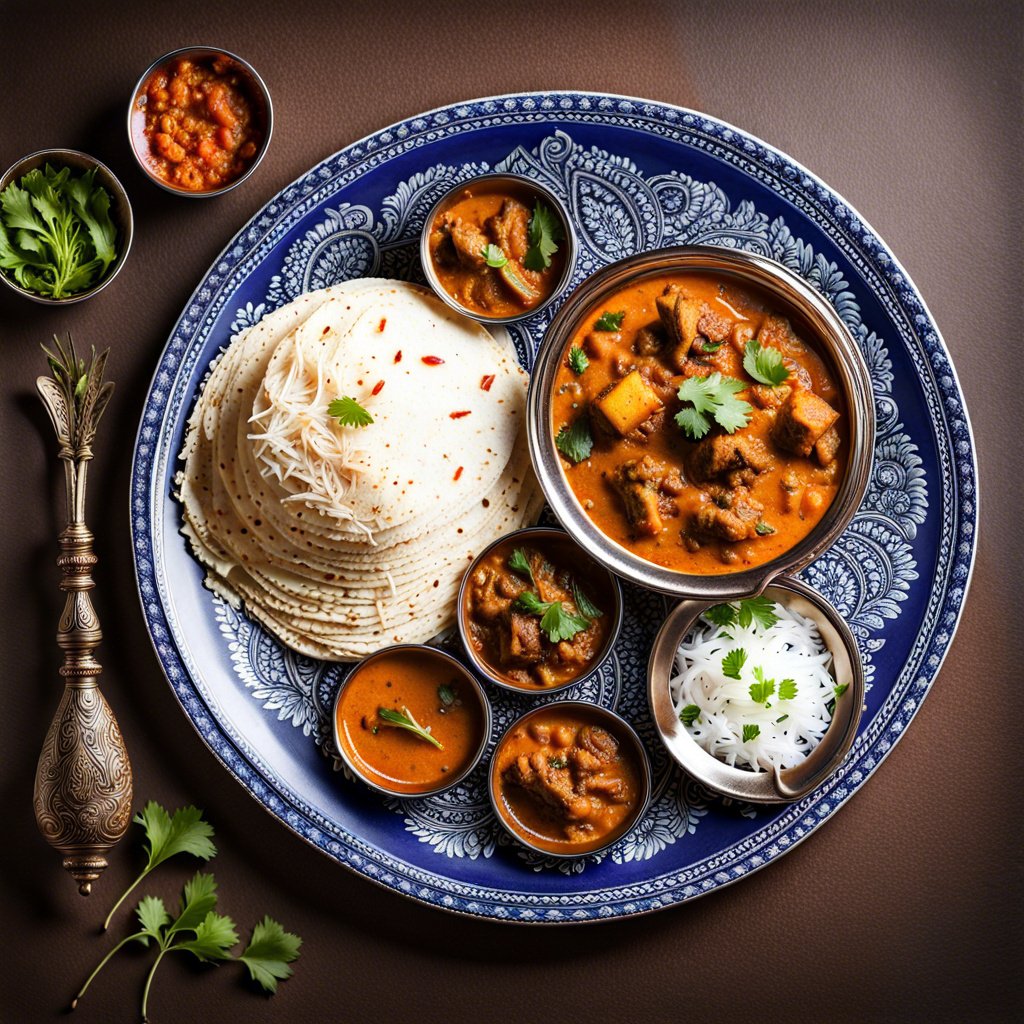
Indian masalas, with their medicinal roots, align with this philosophy, offering a holistic approach to nourishment.
By blending spices, cooks tap into ancient wisdom, creating dishes that heal and delight, bridging culinary art with therapeutic intent.
Embrace a cuisine that nourishes body and soul, blending culinary artistry with health benefits.