
Insight For Nutritional Healers
We must train our minds to accept the reality that our role is to uproot the causes of illness. Using specific, plant-based, therapeutic foods, aligned with wise naturopathic intentions, we encourage the body to do what it does best.
It’s encouraging to think that you are in the process of unleashing true culinary shamanism.
Delve deeper into the process, challenges, and encouragement needed to perfect our craft! Persistence manifests the results we seek.
Enter The Culinary Shaman
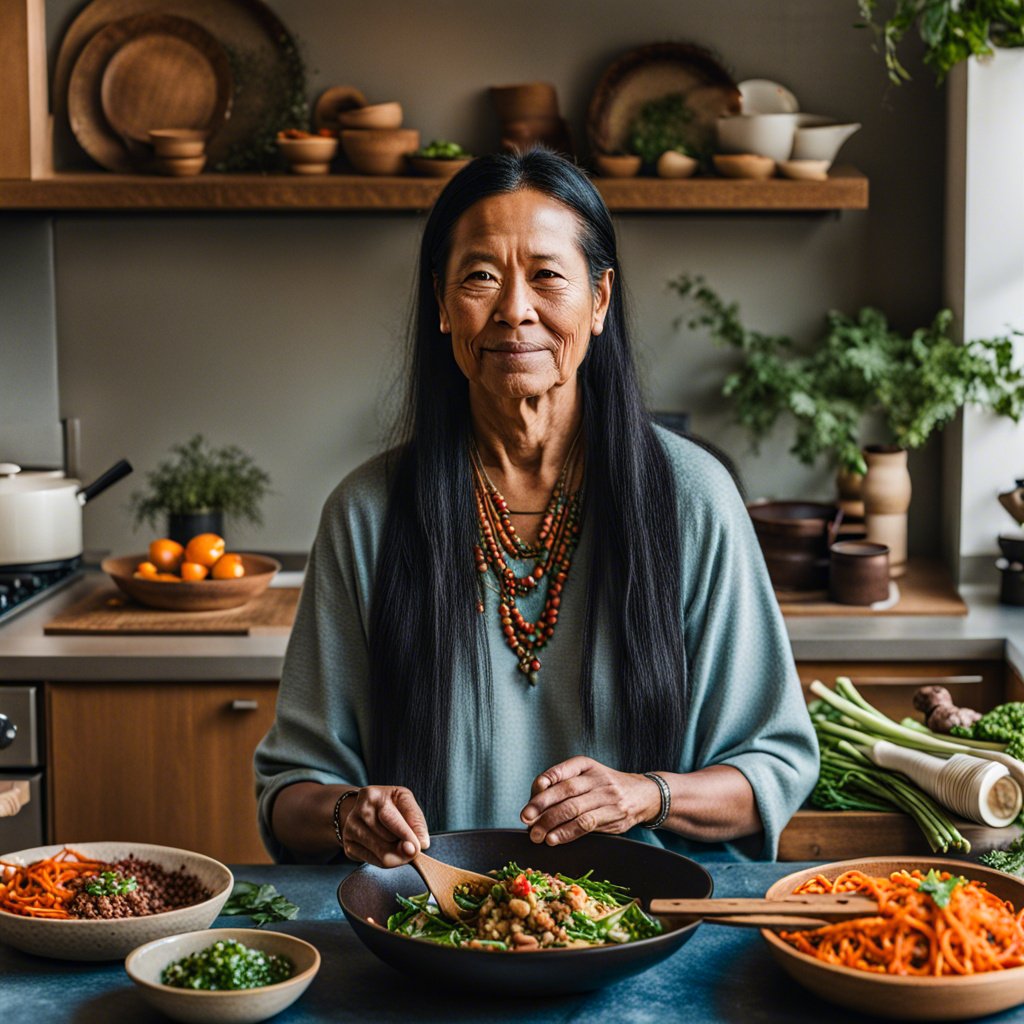
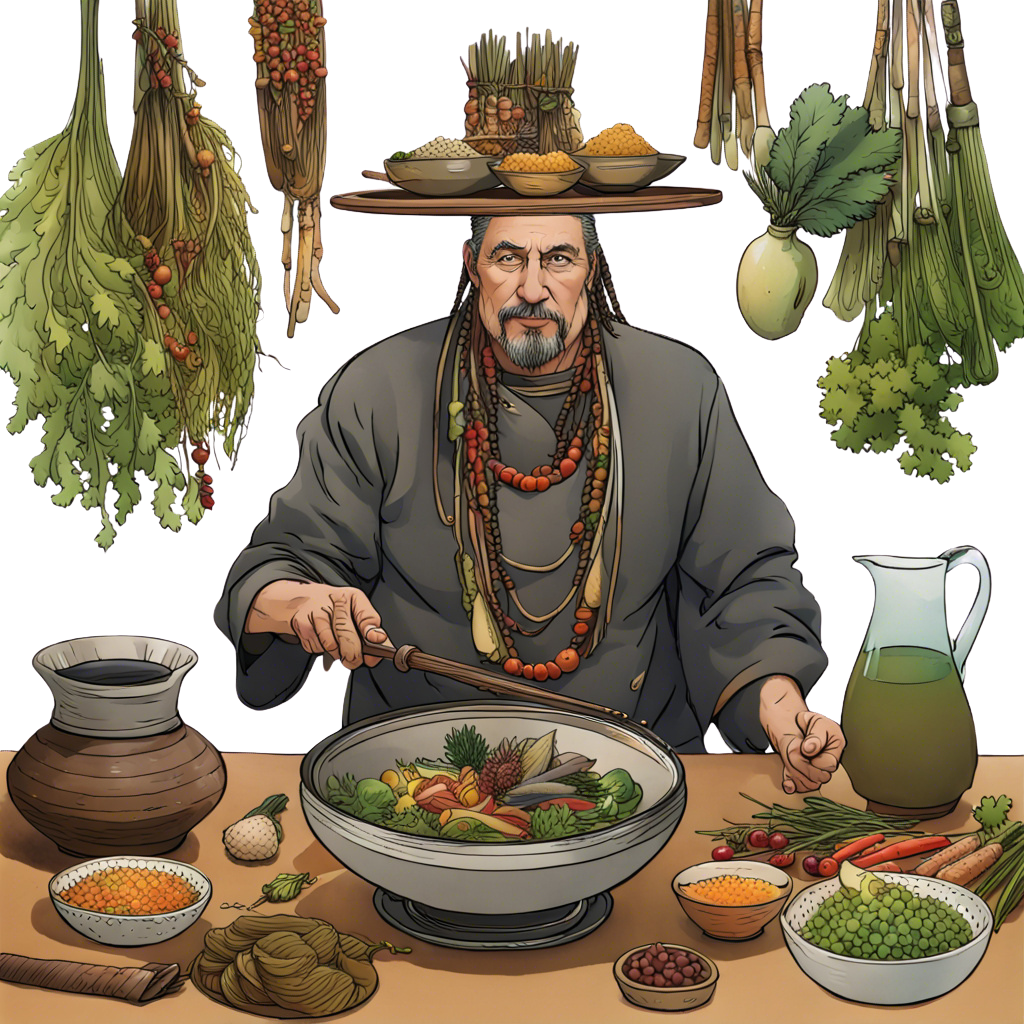
A culinary shaman is a modern “healer” who uses scientifically validated food as medicine, drawing from ancient practices where diet is a sacred tool for connecting with the energy of life through plants.
This role involves preparing meals with plant-based medicines, therapeutically infused within menus for the generation of healthy bodies and minds.
Our work transcends mere sustenance, aiming to restore balance to body, mind, and spirit, as seen in practices like “the dieta,” which involves ritualized intake of medicinal plants for a special type of healing (Chacruna – Healing And Knowledge With The Amazonian Shamanic Diet).
The Process Of Nutritional Healing
Nutritional healing is not a quick fix. It’s a process that mirrors the time it took for illness to develop.
It can take months or years for the body to succumb to poor dietary habits, and healing requires at least as long. This is supported by research showing chronic conditions, like diabetic foot ulcers, delay healing due to nutrient loss through exudates, affecting metabolic pathways (Role of nutrition in wound healing and nutritional recommendations for promotion of wound healing: a narrative review).
Scientific studies, such as one on preoperative nutrition, found nutritionally compromised patients had a 22.73% rate of delayed wound healing versus 9.09% in adequate groups, emphasizing the need for consistent, nutrient-rich diets (Evaluating the Impact of Preoperative Nutritional Status on Surgical Outcomes).
The healing process involves stages, including a potential “healing crisis,” where symptoms temporarily worsen as the body detoxifies, as noted in shamanic diets for connecting with plant spirits (The White Arrow – Shamanic Diet). This is distinct from systemic issues needing acute management to prevent chronic conditions, requiring culinary shamans to discern these states and refer such a potential diner to consult with their professional healthcare provider.
The Challenge Of Dealing With Delayed Results
Delayed results are a common challenge, and the user emphasizes not expecting immediate outcomes, though some may experience rapid relief. This aligns with findings that malnutrition impairs healing, leading to longer hospital stays (9.87 ± 3.58 days vs. 6.53 ± 2.31 days in compromised vs. adequate groups) and higher infection rates (Evaluating the Impact of Preoperative Nutritional Status on Surgical Outcomes).
The evidence leans toward persistence being key, as seen in shamanic practices requiring commitment to diets without interruption, such as avoiding stimulants and maintaining isolation (El Mundo Magico – The Shamanic Plant Diet (Dieta)).
Culinary shamans must educate those dining with them that healing is a journey, not a destination. Ensure they understand the science behind nutrition’s role, like its impact on collagen synthesis and immune function in wound healing (Impact of nutrition on skin wound healing and aesthetic outcomes: A comprehensive narrative review). Education helps manage expectations, reducing discouragement when results are slow.
The Role Of Education and Intention
Educating those we feed is central to our role. We must train “clients” that nutritional healing is a process, using foods validated as therapeutic, like San Pedro Cactus for emotional healing and Cacao for heart-opening experiences in shamanic nutrition (Stardust Shamanics – Foods for Modern Day Shamanic Nutrition).
This education involves sharing scientific evidence, such as studies showing malnutrition’s impact on wound healing, to build trust and commitment (Nutrition and Wound Healing | Eat Well Nutrition — Eat Well Nutrition).
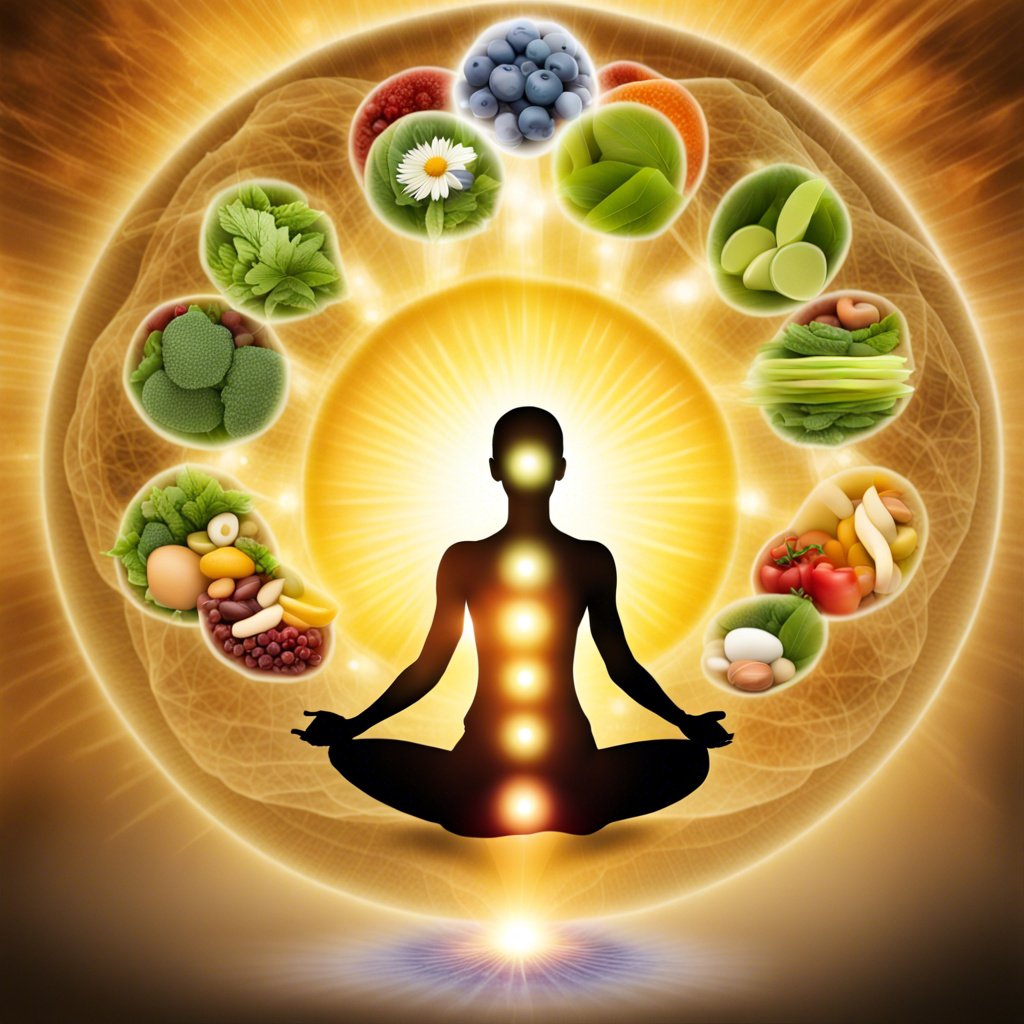
Intention is vital, infusing meals with energy beyond nutrients. As noted, preparing food with healing intent connects us with plant’s spirit, enhancing efficacy, as seen in shamanic diets where plants “whisper their secrets” during cleansing (Pura Vidya – Shamanic Diet). This spiritual connection deepens our craft, aligning with the user’s call to perfect culinary shamanism.
Encouraging Persistence
Do not be discouraged by delayed results. Instead perfect our craft. Persistence is key, as seen in shamanic apprenticeships requiring full commitment to diets, avoiding interruptions (El Mundo Magico – The Shamanic Plant Diet (Dieta)).
We are part of something bigger, with skills needed to meet growing demand for holistic healers, as evidenced by books like “Shaman Diet” combining ancient practices with modern science (Shaman diet : Complete beginners guide to Nourishing Body and Spirit by Eating in Harmony with Nature for optimal health from Quantum Food Shamanic …).
Share success stories, like Takiwasi’s use of dieta in addiction rehabilitation, combining traditional and Western medicine for effective outcomes (Chacruna – Healing and Knowledge with Amazonian Shamanic Diet). Of course, you’ll need to adapt it to the actual circumstances in your hands.
Share your own personal journey. This reinforces that persistence will manifest results, creating a ripple effect of health and well-being.
Practical Guidance And Scientific Backing
To support our work, consider the following table summarizing key findings from research on nutrition and healing, ensuring we base our practice on evidence:
| Aspect | Finding | Details (Exact Numbers) |
|---|---|---|
| Postoperative Infections | Higher in nutritionally compromised. | 36.36% (80/220) vs. 13.64% (30/220), p < 0.001, Ref 16. |
| Delayed Wound Healing | Higher in compromised group. | 22.73% (50/220) vs. 9.09% (20/220), p = 0.001, Ref 17. |
| Hospital Stay Length | Longer in compromised group. | 9.87 ± 3.58 days vs. 6.53 ± 2.31 days, p < 0.001, Ref 18. |
| Readmission Rates | Higher in compromised group. | 18.18% (40/220) vs. 4.55% (10/220), p < 0.001, Ref 19. |
| 30-Day Mortality | Higher in compromised group. | 11.36% (25/220) vs. 2.27% (5/220), p < 0.001, Ref 20. |
This table, derived from a study on preoperative nutrition, reinforces the need for persistence, showing nutrition’s direct impact on outcomes (Evaluating the Impact of Preoperative Nutritional Status on Surgical Outcomes).
In Conclusion
As culinary shamans, we hold a sacred responsibility to heal through food, embracing knowledge, patience, and compassion.
Persist in refining our craft, and share our wisdom, knowing we are part of a movement towards true health.
With your contribution, we can together manifest lasting results, one intentional meal at a time, guided by both ancient wisdom and modern science.