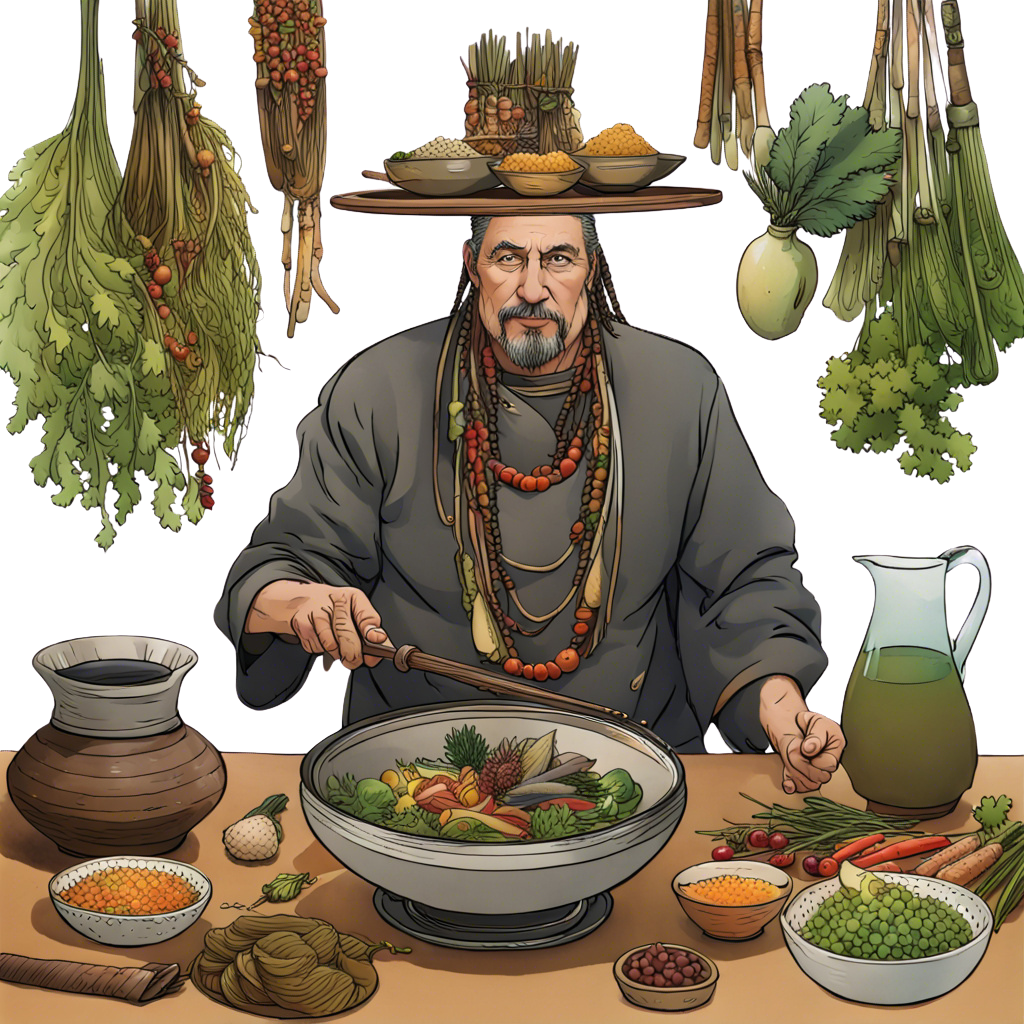
As culinary shamans, our craft is more than just creating delicious meals, it’s about weaving nourishment, healing, and balance into every dish.
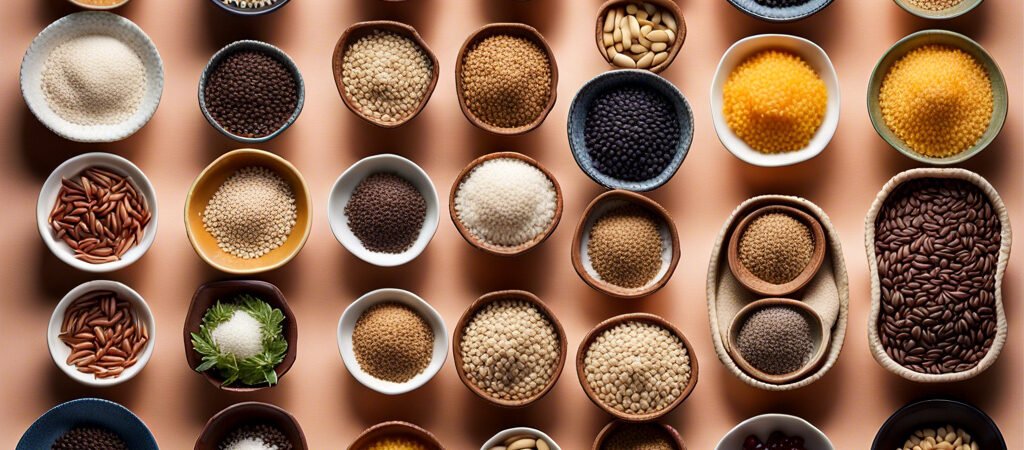
Grains, often staples in diets worldwide, can be powerful allies in therapeutic meal planning, especially when they’re gluten-free, low-glycemic, and packed with nutrients. These qualities make them ideal for managing blood sugar, supporting gut health, reducing inflammation, and promoting overall wellness.
Below, we explore the top 10 gluten-free, low-glycemic grains that should be staples in your kitchen, detailing their nutritional profiles, therapeutic benefits, and how to incorporate them into healing recipes.
Why Choose Low-Glycemic, Gluten-Free Grains?
Low-glycemic grains release glucose slowly, preventing blood sugar spikes and supporting sustained energy, crucial for those with diabetes, insulin resistance, or metabolic concerns.
Gluten-free grains are essential for individuals with celiac disease, gluten sensitivity, or those seeking to reduce inflammation. By selecting nutrient-dense options, you ensure your dishes are both therapeutic and flavorful, catering to diverse dietary needs while promoting vitality.
The Top 10 Healthy, Low-Glycemic, Gluten-Free Grains
1. Quinoa
- Nutrition: Quinoa is a complete protein, containing all nine essential amino acids. It’s rich in fiber (5g per cup cooked), magnesium, iron, and antioxidants like quercetin.
- Therapeutic Value: Supports muscle repair, stabilizes blood sugar, and reduces inflammation. Its high fiber aids digestion and promotes gut health, while magnesium supports stress reduction and heart health.
- Culinary Use: Use as a base for salads, bowls, or as a porridge for breakfast to stabilize energy levels.
2. Buckwheat
- Nutrition: Despite its name, buckwheat is gluten-free and boasts 6g fiber, 5g protein, and rutin (an antioxidant) per cup cooked. It’s high in manganese and magnesium.
- Therapeutic Value: Rutin strengthens blood vessels, supporting cardiovascular health. Its fiber aids cholesterol management, and its low glycemic index (GI ~54) helps regulate blood sugar.
- Culinary Use: Transform into soba noodles, kasha, or pancakes for heart-healthy, blood-sugar-friendly meals.
3. Amaranth
- Nutrition: A protein powerhouse (9g per cup cooked), amaranth is rich in calcium, iron, and lysine, an amino acid rare in grains. It also contains squalene, an anti-inflammatory compound.
- Therapeutic Value: Supports bone health, reduces inflammation, and aids tissue repair. Its low GI (~107 when popped, lower when cooked) makes it suitable for balanced energy.
- Culinary Use: Pop like popcorn, add to soups, or bake into breads for anti-inflammatory benefits.
4. Millet
- Nutrition: Millet offers 6g fiber, 6g protein, and is high in B vitamins, phosphorus, and magnesium per cup cooked.
- Therapeutic Value: Its alkaline nature supports digestion, and its low GI (~55) aids blood sugar control. Magnesium promotes relaxation, making it ideal for stress relief.
- Culinary Use: Use in porridges, pilafs, or as a polenta substitute for calming, digestive-friendly dishes.
5. Teff
- Nutrition: Tiny but mighty, teff provides 7g protein, 4g fiber, and is a top source of calcium (180mg per cup cooked) and iron.
- Therapeutic Value: Boosts energy (high iron), supports bone health, and aids digestion. Its low GI (~55) makes it excellent for blood sugar management.
- Culinary Use: Make injera, porridge, or add to baked goods for nutrient-dense, energizing meals.
6. Sorghum
- Nutrition: Sorghum delivers 8g fiber, 10g protein, and antioxidants like policosanols per cup cooked. It’s rich in iron and phosphorus.
- Therapeutic Value: Policosanols may lower cholesterol, while fiber supports gut health. Its low GI (~50) aids stable blood sugar, ideal for diabetes management.
- Culinary Use: Use whole grains in salads, pop like popcorn, or grind into flour for heart-healthy baking.
7. Wild Rice
- Nutrition: Technically a grass, wild rice offers 6g protein, 3g fiber, and is high in zinc, folate, and antioxidants per cup cooked.
- Therapeutic Value: Supports immune health (zinc), reduces oxidative stress, and stabilizes blood sugar (GI ~45). Its fiber promotes satiety and gut health.
- Culinary Use: Add to soups, stuffings, or bowls for immune-boosting, satisfying dishes.
8. Brown Rice
- Nutrition: Brown rice provides 5g fiber, 5g protein, and is rich in manganese, selenium, and magnesium per cup cooked.
- Therapeutic Value: Its fiber and selenium support detoxification and thyroid health. With a GI of ~50, it’s a steady energy source, ideal for metabolic balance.
- Culinary Use: Use in stir-fries, risottos, or sushi for nutrient-dense, blood-sugar-friendly meals.
9. Black Rice (Forbidden Rice?)
- Nutrition: Black rice is packed with anthocyanins (antioxidants), 5g protein, and 3g fiber per cup cooked. It’s also high in iron.
- Therapeutic Value: Anthocyanins combat inflammation and oxidative stress, supporting heart and brain health. Its low GI (~42) aids blood sugar control.
- Culinary Use: Create vibrant bowls, puddings, or sushi for antioxidant-rich, anti-inflammatory dishes.
10. Oats (Certified Gluten-Free)
- Nutrition: Oats deliver 7g fiber, 6g protein, and beta-glucans per cup cooked. They’re rich in manganese and zinc.
- Therapeutic Value: Beta-glucans lower cholesterol and boost immunity. Their low GI (~55) and fiber promote satiety and blood sugar stability, ideal for heart health and weight management.
- Culinary Use: Make oatmeal, granola, or savory porridge for heart-healthy, sustaining meals.
Therapeutic Recipes That Showcase These Grains
Below are three recipes designed to highlight the therapeutic potential of these grains. Each is gluten-free, low-glycemic, and crafted to address specific health goals.
1. Quinoa & Black Rice Anti-Inflammatory “Buddha Bowl”
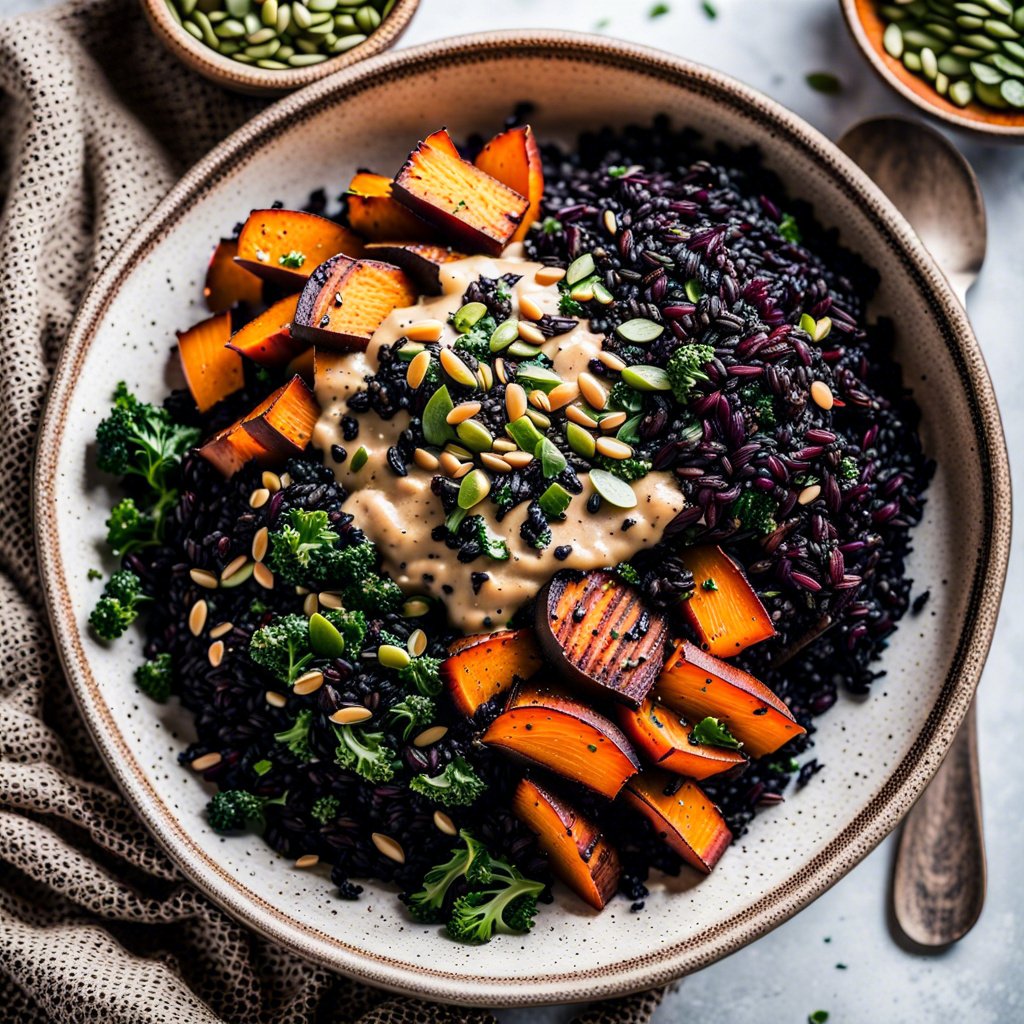
- Therapeutic Goal: Reduce inflammation and support heart health.
- Ingredients (Serves 2):
- ½ cup cooked quinoa
- ½ cup cooked black rice
- 1 cup roasted sweet potatoes (anti-inflammatory)
- 1 cup steamed kale (rich in antioxidants)
- ½ avocado (healthy fats)
- 2 tbsp tahini dressing (1 tbsp tahini, 1 tbsp lemon juice, 1 tsp turmeric, water to thin)
- Sprinkle of pumpkin seeds (magnesium-rich)
- Instructions:
- Cook quinoa and black rice separately (rinse well to remove saponins from quinoa).
- Roast sweet potatoes at 400°F for 25 minutes with olive oil and rosemary.
- Steam kale for 3 minutes.
- Assemble bowls: layer quinoa and black rice, top with sweet potatoes, kale, avocado, and seeds.
- Drizzle with turmeric-tahini dressing.
- Therapeutic Benefits: Quinoa’s protein and black rice’s anthocyanins combat inflammation. Turmeric enhances anti-inflammatory effects, while avocado and seeds provide heart-healthy fats and magnesium for stress relief.
- When to Use: Ideal for clients with arthritis, autoimmune conditions, or chronic inflammation.
2. Millet & Teff Breakfast Porridge For Blood Sugar Balance
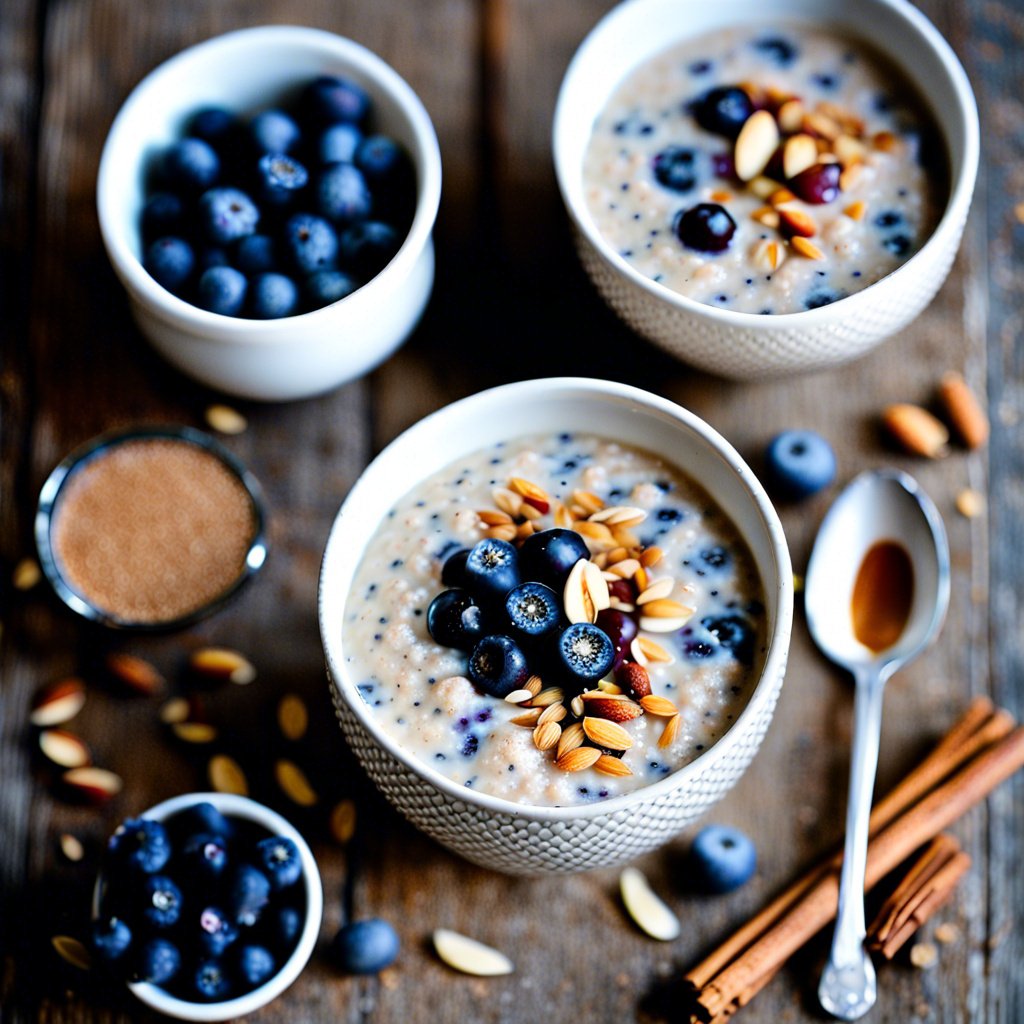
- Therapeutic Goal: Stabilize blood sugar and support digestion.
- Ingredients (Serves 2):
- ¼ cup millet
- ¼ cup teff
- 2 cups almond milk (unsweetened)
- 1 tbsp chia seeds (fiber boost)
- 1 tsp cinnamon (blood sugar regulator)
- ½ cup blueberries (antioxidants)
- 1 tbsp almond butter (healthy fats)
- Instructions:
- Toast millet in a dry pan for 2 minutes until fragrant.
- In a saucepan, combine millet, teff, and almond milk. Simmer for 20 minutes, stirring occasionally.
- Stir in chia seeds and cinnamon; cook 5 more minutes.
- Serve topped with blueberries and a drizzle of almond butter.
- Therapeutic Benefits: Millet and teff’s low GI and high fiber prevent blood sugar spikes. Cinnamon enhances insulin sensitivity, while chia and blueberries support digestion and antioxidant defense.
- When to Use: Perfect for breakfast for clients with diabetes, prediabetes, or digestive issues.
3. Sorghum & Wild Rice Stuffed Bell Peppers For Immune Support
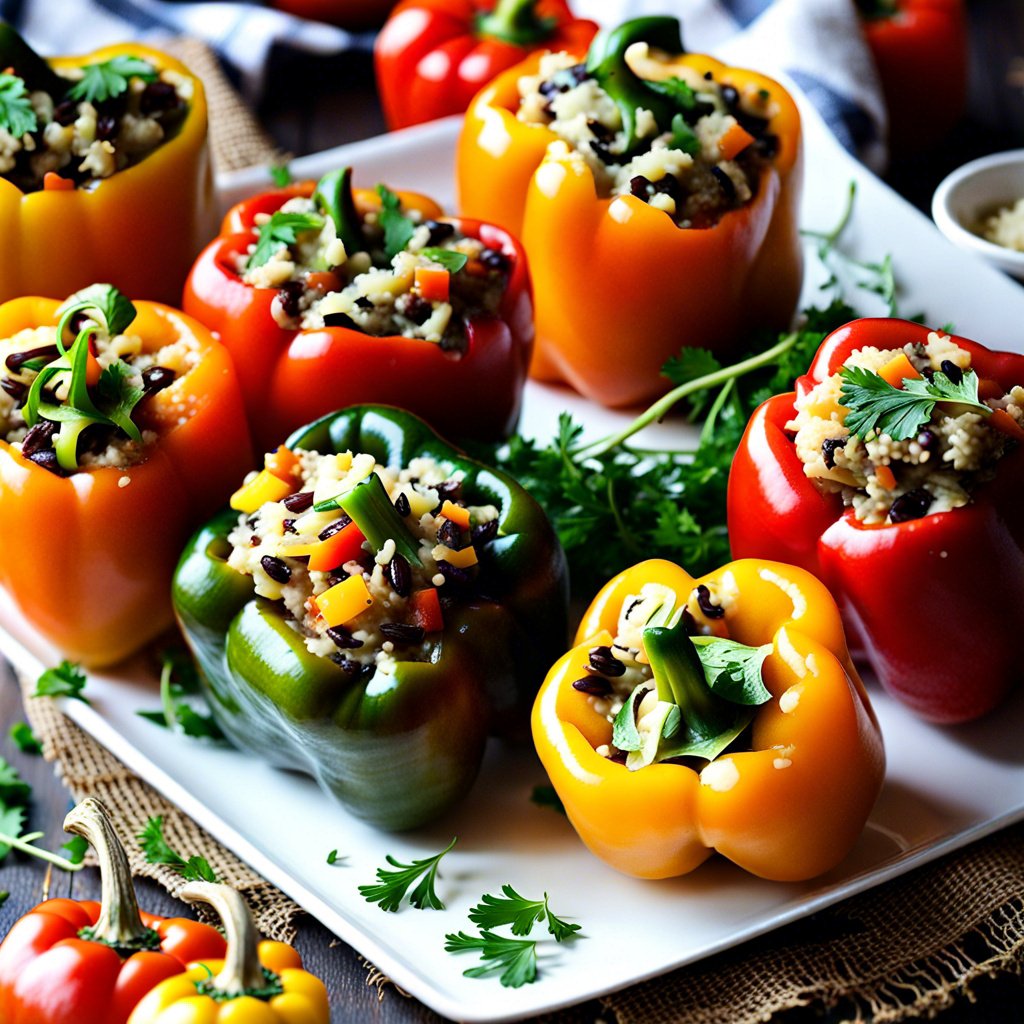
- Therapeutic Goal: Boost immunity and gut health.
- Ingredients (Serves 4):
- 4 bell peppers (vitamin C-rich)
- ½ cup cooked sorghum
- ½ cup cooked wild rice
- 1 cup cooked lentils (protein and fiber)
- 1 cup diced zucchini
- One clove garlic, minced
- 2 tbsp olive oil
- 1 tsp dried oregano
- ½ cup tomato sauce (lycopene-rich)
- Instructions:
- Preheat oven to 375°F. Halve and deseed bell peppers.
- Sauté zucchini and garlic in olive oil for 5 minutes.
- Mix sorghum, wild rice, lentils, zucchini, oregano, and tomato sauce.
- Stuff peppers with mixture, place in a baking dish, and cover with foil.
- Bake for 30 minutes, uncover, and bake 10 more minutes.
- Therapeutic Benefits: Wild rice’s zinc and sorghum’s fiber boost immunity and gut health. Bell peppers provide vitamin C, while lentils add plant-based protein for tissue repair.
- When to Use: Serve for dinner for clients recovering from illness or seeking to strengthen immunity.
Tips For Culinary Shamans
- Source Wisely: Opt for certified gluten-free grains to avoid cross-contamination, especially for oats and buckwheat. Choose organic when possible to minimize pesticide exposure.
- Prep for Digestion: Soak grains like quinoa, millet, and sorghum overnight to reduce phytic acid, enhancing nutrient absorption.
- Flavor Therapeutically: Pair grains with anti-inflammatory spices (turmeric, ginger), blood-sugar-regulating herbs (cinnamon), or gut-friendly ferments (sauerkraut) to amplify benefits.
- Educate Clients: Share how these grains support specific health goals (e.g., oats for cholesterol, teff for energy) to empower mindful eating.
Final Thoughts
These 10 low-glycemic, gluten-free grains, quinoa, buckwheat, amaranth, millet, teff, sorghum, wild rice, brown rice, black rice, and oats, are nutritional powerhouses that belong in every culinary shaman’s repertoire. Their versatility and therapeutic benefits make them ideal for crafting meals that heal, nourish, and delight.
By incorporating these into dishes like the Buddha bowl, breakfast porridge, or stuffed peppers, you can address inflammation, blood sugar imbalances, immunity, and more, all while celebrating vibrant flavors.
Embrace these grains as your allies in the kitchen, and watch your creations transform lives, one therapeutic bite at a time.
Experiment with them to “Empower The Top Three Healthiest Cuisines” and expand your menus.
In fact, you can further address inflammation by preceding these dishes with fermented foods at the beginning of meals to aid digestion.
Note: Always consult with a healthcare provider or dietitian when designing therapeutic meal plans for specific medical conditions.